
Solar Ready Hot Water Cylinders: New MBIE Efficiency Standards Target 2027 Implementation
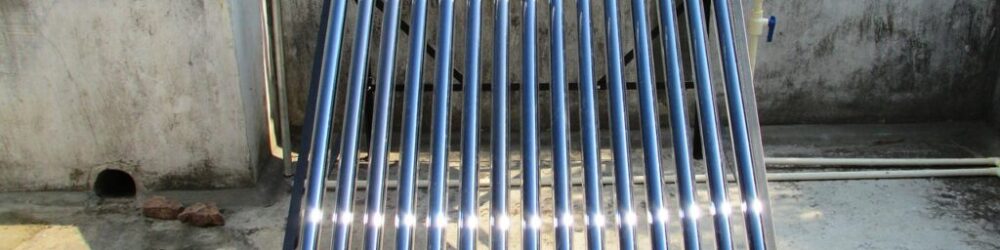
MBIE’s proposed energy efficiency regulations will require all new electric hot water cylinders sold from 2027 to include solar ready pre-wiring capabilities. Industry compliance costs are projected at $45-65 per unit, with potential savings of 15-20% on household water heating bills.
How to comply with proposed requirements
Manufacturers must ensure all new electric storage cylinders include solar thermal pre-wiring connections and controller compatibility. It is a legal requirement for suppliers to meet Energy Efficiency (Energy Using Products) Regulations standards before market entry.
Solar ready implementation at a glance
Which products are included
The proposed standards cover electric storage water heaters with capacity between 25-400 litres intended for domestic use. Solar ready hot water cylinders must feature standardised connection points for thermal collectors and digital control interfaces.
Which products are excluded
Exemptions apply to instantaneous water heaters, heat pump cylinders, and commercial systems above 400 litres. Gas-fired units and wetback cylinders fall under separate regulatory frameworks.

Technical specifications required
Solar ready cylinders must incorporate twin-element capability, with upper elements rated at 2.4kW maximum. Temperature control systems must accommodate solar thermal inputs while maintaining mains pressure operation standards.
Standards framework
Products must comply with AS/NZS 4692:2017 for electric storage water heaters and AS/NZS 2712:2007 for solar water heater systems. Standards can be purchased from Standards New Zealand for detailed technical requirements.
NZ Building Code requirements
Installation must meet Building Code Clause G12 for water supplies and Clause H1 for energy efficiency. According to Building Performance, the changes align with residential energy efficiency targets under the Climate Change Response Act 2002.
Market impact projections
MBIE estimates 85,000 electric cylinders are sold annually in New Zealand. Industry consultation revealed mixed responses, with major manufacturers supporting standardisation while smaller suppliers cite increased production costs.
Implementation timeline
Final regulations are expected by December 2026, with an 18-month transition period for existing stock. Non-compliant products cannot be imported or sold from July 2027, with penalties up to $200,000 for commercial suppliers.
Registration and certification
Suppliers must register compliant products with EECA’s database system before market release. Third-party testing certificates from accredited laboratories will be mandatory for all solar ready cylinder models.