
Electric Hot Water Cylinders
Efficient, reliable, and installed nationwide with zero price surprises. Browse our 25L to 300L+ electric cylinder range below or get a fast fixed-price quote today.

Simple, Reliable Hot Water
Electric hot water cylinders use an electric heating element to provide a steady, reliable supply of hot water for everyday use.
Flexible for Your Home
Available in a range of sizes and compatible with mains-pressure, low-pressure, or future add-ons like solar or wetback systems.
Low Maintenance Solution
Electric systems have fewer moving parts and typically require less maintenance than other hot water options.
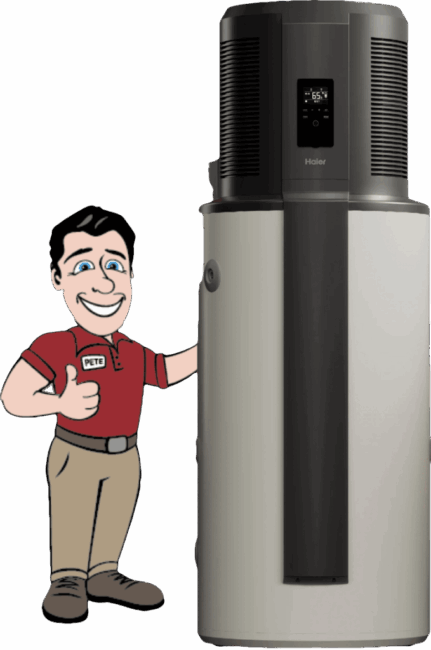
Electric Cylinder Overview
Electric hot water cylinders use an electric heating element to heat the water in the cylinder, providing a constant supply of hot water.
- Suitable for most NZ households
- Available in a wide range of sizes
- Models can be compatible with heat pump, solar, or wetback systems
- Typically, less maintenance than other systems
For an in-depth analysis on which cylinder is right for you, read our article on Electric Hot Water Cylinders.
Electric hot water cylinders use an electric element to provide a reliable supply of hot water and are low-maintenance, versatile, and suitable for most NZ households. They come in various sizes and can work with heat pump, solar, or wetback systems.
Types of Electric Hot Water Cylinders
Mains pressure vs low pressure. Mains-pressure cylinders deliver hot water at the same pressure as your cold tap — strong, even flow to multiple outlets, and the standard choice for modern homes. Low-pressure cylinders use a header tank and suit older homes, or where mains pressure isn’t practical.
Tank material. Vitreous enamel-lined steel is the most common and best value; copper is the traditional choice, usually low-pressure; and stainless steel lasts longest and is the premium mains-pressure option.
What Size Electric Cylinder Do You Need?
Sizing comes down to how many people are in the home and your hot-water habits. As a general guide:
Both mains and low pressure options are available in most sizes — see our mains pressure and low pressure ranges for full details.
On off-peak/controlled power, or with heavy evening demand, size up. Not sure? We’ll confirm the right size as part of your free quote.
Best Selling Electric Hot Water Cylinders (Supply Cost Only)
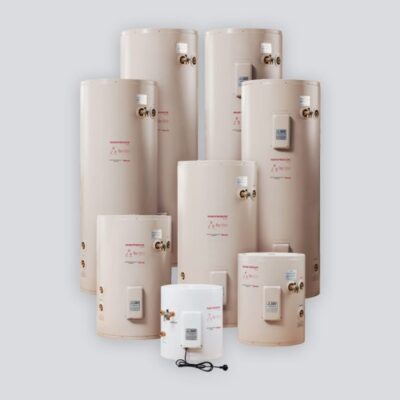
Rinnai Enamel Mains Pressure Indoor/Outdoor Hot Water Cylinder 180L
$1,310.72 Incl GST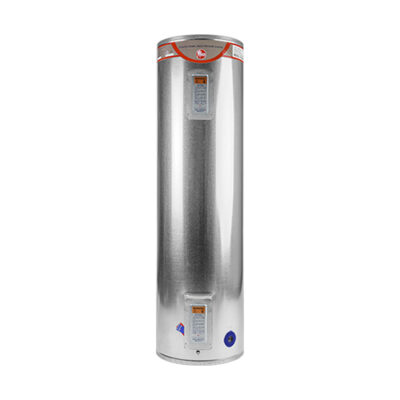
Rheem® Mains Pressure Vitreous Enamel Hot Water Cylinder – 177L
$1,316.27 Incl GST
Rheem® Mains Pressure Vitreous Enamel Hot Water Cylinder – 25L
$1,037.26 Incl GST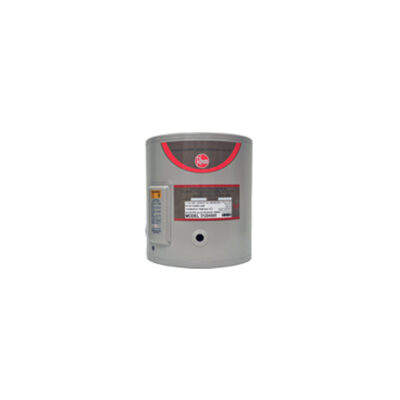
Rheem® Mains Pressure Vitreous Enamel Hot Water Cylinder – 43L
$1,044.74 Incl GST
How Cylinders Work
Electric hot water cylinders are the most common form of hot water heating system found in New Zealand. These consist of an insulated cylinder tank usually made from copper, stainless steel or vitreous enamel-lined steel.
Cold water enters the tank and is then heated by an electric element controlled by a thermostat to a temperature above 60 degrees C. When hot water is required throughout the house, the hot water is drawn from the top of the tank. It is then replaced with cold water at the bottom to be heated back to temperature.
The most common sizes of electric hot water cylinders are 135 litres or 180 litres for standard households and 250l and 300l cylinders for larger homes.
Electric hot water cylinders can be configured for mains-pressure or low-pressure setups depending on the cylinder type and hot water valves used based on household requirements.
The heating element is typically 2kW or 3kW — a higher-wattage element reheats faster. New Zealand’s Building Code requires stored water to reach at least 60°C to control Legionella, so the thermostat holds it at or above that. Many homes are also on ripple control, where the lines company can switch the element off during peak demand — that’s normal, and worth knowing when you’re judging how long reheating takes.
Running Costs & Efficiency
A resistive electric cylinder turns nearly all the power it draws into heat — but it draws a lot; water heating is around 30% of a typical New Zealand household’s power bill. Running cost depends on cylinder size, how well it’s insulated, your tariff, and whether you’re on off-peak rates.
If lower running costs are the priority, a heat pump hot water system uses roughly 60–70% less electricity for the same hot water, at a higher upfront cost — worth comparing before you replace an old electric cylinder.
Installation & What’s Included in Your Fixed Price
Every install is quoted at a fixed price — no surprises. A standard electric cylinder replacement typically costs from $3,000 –$3,500 incl GST installed, depending on size, any pressure conversion, and site access. Your fixed price includes:
- Supply of the cylinder
- Removal & disposal of the old unit
- Installation by a registered plumber
- Electrical connection with a certified electrician
- All valves & fittings
- Seismic restraint
- Electrical code of compliance certificate (if applicable)
Electric Cylinder FAQ
As a general guide, 135–180L suits 1–2 people, 250L is ideal for 3–4 people, and 300L+ suits larger households. The right size also depends on your usage habits and whether you have off-peak power. If you’re also considering upgrading from a low pressure system to mains pressure, now is a great time to get the sizing right from the start. Get a free quote →
Get A Fixed Price Quote
Or call 0800 234 800
email us direct [email protected]