
Electric Hot Water Cylinders in New Zealand: Benefits, Costs, and Installation Tips
Table of Contents
Electric hot water cylinders remain the go-to choice for most New Zealand homes. They work simply by using an internal heating element to heat water in a storage tank so it’s ready whenever you turn on the tap. Depending on your home’s existing plumbing and your family’s daily water use, they can be set up for either mains or low pressure.
Why choose an electric Hot water cylinder?
Lower upfront costs: They are generally cheaper to buy and install than gas, heat pump, or solar setups.
Easy to turn off when traveling: Heading away on holiday? Switch off the isolation switch and power point to stop heating water you aren’t using.
Plenty of stored hot water: Sized correctly, a large cylinder easily keeps up with the demands of a busy household.
Simple and reliable: With few moving parts, electric cylinders are built to last and rarely give you hassle.
Future-ready options: Many modern cylinders can easily connect to solar PV, heat pump ring-mains, or wetback systems down the line.
Outdoor models available: If you are tight on cupboard space inside, an outdoor-rated cylinder frees up valuable floor area.
Things to consider:
Trade-offs: Electric cylinders take longer to reheat between heavy uses like back-to-back showers and account for a significant portion of your power bill, making proper sizing and thermostat settings essential.
Choosing the Right Cylinder for Your Home
Before making a call, keep these key factors in mind:
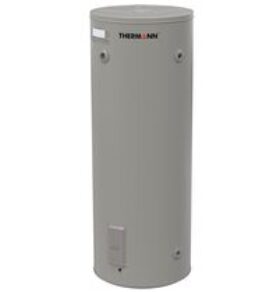
Household size: A standard 2–3 person home usually needs a 180L cylinder, while larger families or homes with multiple bathrooms often require 250L to 300L.
Water pressure: Check whether you have mains pressure (high water pressure in the home) or an older low-pressure system, as this determines which cylinder you can install.
Available space: Measure your hot water cupboard before buying, or talk to us about moving the unit outside.
Future upgrades: Let your installer know if you plan on adding solar or a wetback system later on so they can give you the right recomendation.
How Electric Cylinders Work
An electric cylinder features a heavily insulated tank; typically made of stainless steel, enamel-lined steel, or copper. Cold water feeds into the bottom of the tank, where an electric element heats it up. Because hot water naturally rises to the top, it gets drawn off first when you open a tap, while fresh cold water flows into the bottom to be heated.
Is an Electric Cylinder Right for You?
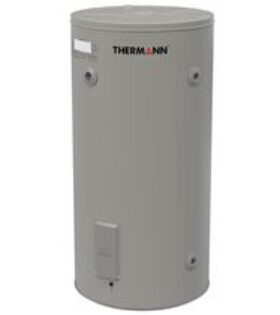
An electric cylinder is likely your best option if you want a straightforward, budget-friendly installation that works quietly in the background. However, if your home uses huge amounts of hot water continuously throughout the day, you may want to weigh the slower recovery time against other options like continuous gas or heat pump systems.
Ready for Professional Help with Your Electric Hot Water Cylinder
If your cylinder is leaking, overflowing, or running cold, don’t wait for a minor issue to cause expensive water damage. Turn off the power and water supply to the unit, and give a licensed professional a call.
Whether you need a quick repair, an urgent replacement, or advice on upgrading your hot water setup, the team at The Cylinder Guy is here to help. Get in touch with us today for expert advice tailored to your home.