
Heat Pump Hot Water Installation Rules Tighten Under New Building Code Changes
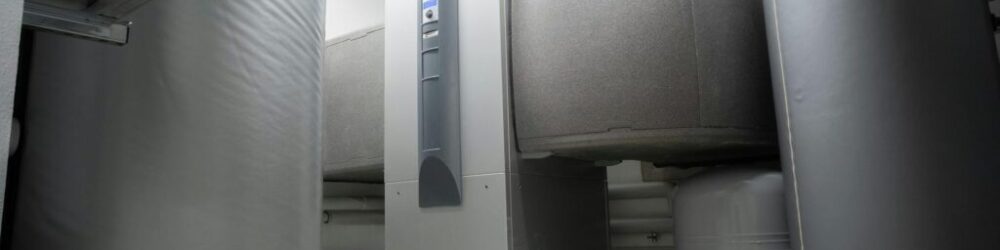
Building Code changes taking effect from July 2026 will require heat pump hot water installations to meet stricter noise compliance and spacing standards, potentially adding $500-800 to typical residential projects.
What the new requirements cover
The revised Building Code clauses target outdoor heat pump hot water units, which have faced increasing neighbour complaints about noise levels and visual impact. Your installer will need to demonstrate compliance with updated acoustic standards that limit noise transmission to adjacent properties during peak evening hours when units typically operate most frequently.
Key compliance changes at a glance
Minimum boundary setback distances have increased from 1.5 metres to 3 metres for units rated above 3kW thermal output — covering most residential heat pump hot water cylinders. The changes also introduce mandatory acoustic barriers for installations within 5 metres of neighbouring bedroom windows, regardless of your property’s boundary placement.
Compliance pathway options
You have three main compliance routes under the new framework. The deemed-to-comply pathway requires following prescriptive spacing and installation requirements, including acoustic screening materials with minimum 15dB noise reduction ratings. This approach works for straightforward installations with adequate space.
Alternative solution pathways allow custom approaches where site constraints prevent standard compliance. You’ll need engineering assessment of noise modelling and mitigation measures, typically costing $1,200-2,000 in consultant fees. Verification methods require independent acoustic testing after installation.
The third option involves relocating units to compliant positions, often requiring longer refrigerant line runs and additional electrical work. This can double installation complexity but avoids ongoing acoustic compliance issues.
Impact on existing installations
Current heat pump hot water systems installed under previous Building Code versions retain their existing use rights. However, any substantial alterations or unit replacements after July 2026 must meet new requirements, according to Building Performance, which confirmed the transition arrangements apply to like-for-like equipment changes.

This creates a compliance cliff for older installations approaching replacement age. Units installed between 2018-2022 typically need replacement around 2030-2034, when new rules will be fully established. Planning ahead now allows you to assess whether current positioning will remain viable or require costly relocation work.
Questions to ask your installer
Confirm whether your proposed installation location meets the 3-metre boundary setback requirement and ask about acoustic barrier options if space is limited. Request noise level predictions for your specific unit model and site layout, including evening operation scenarios when ambient noise levels are lowest.
Verify your installer’s experience with acoustic compliance documentation and whether they provide post-installation noise verification services. Ask about warranty coverage for compliance-related modifications if council inspectors require additional mitigation measures.
Check refrigerant line length limitations if alternative positioning becomes necessary. Some heat pump models perform poorly with extended line runs, affecting efficiency and warranty terms.
Why this matters
Heat pump hot water systems deliver significant energy savings compared to electric resistance heating, but poor installations have generated neighbourhood disputes that threaten wider adoption. The new requirements aim to balance environmental benefits with amenity protection, ensuring heat pump technology remains socially acceptable as penetration rates increase.
Industry estimates suggest 40% of current residential sites may require acoustic mitigation measures under the new standards. Getting compliance right from the start avoids retrofit costs and potential council enforcement action that could affect property values or sale processes.