
Hot Water Heat Pumps vs Solar Hot Water Systems — Which is Right for Your Kiwi Home?
Table of Contents
Why New Zealand Homeowners Are Looking at Efficient Hot Water Solutions
In response to NZ energy prices going up and the impact on the environment becoming more evident, New Zealand homeowners are searching for different solutions to electrics and gas hot water cylinders, than just replacing their existing ones. Heat pump hot water systems and solar hot water systems are two of the most talked-about alternatives. Both of the goals they set for themselves are to lower the energy consumed, to bring down energy bills and to be able to provide hot water when needed, by different ways, though. Knowing the difference, the advantages, and the compromises made is what helps users determine which is the most suitable for their home.
How Heat Pump Hot Water Systems Work
Heat pump hot water systems remove heat from the ambient air and add it to the water stored in a storage cylinder. In comparison with regular electric cylinders, this method is less electrically intensive by a factor of 60-75% in most cases.
However, in the case of a heat pump, no reliance is placed on solar energy. They can heat water under cloudy conditions, at night, and even during the colder winter months, therefore, making them a dependable option for use throughout the year. It is also true that several models come fitted with sophisticated functions like temperature regulators, timers, and smart technology connectivity to facilitate efficiency and provide ease of use.
Advantages of Heat Pump Hot Water Systems
- Energy efficiency: Heat pumps use ambient air, making them significantly more energy-efficient than electric resistance cylinders.
- Lower running costs: Reduced electricity use translates to ongoing savings, which is especially valuable in regions with high electricity prices.
- Year-round reliability: Heat pumps can produce hot water regardless of weather conditions, unlike solar systems that depend on sunlight.
- Flexible installation: Heat pump units can often be installed outside or in utility spaces, freeing up valuable indoor space.
- Integration with solar PV: Many heat pump systems can be paired with rooftop solar panels, using surplus electricity to heat water and maximise cost savings.
Trade-offs to consider:
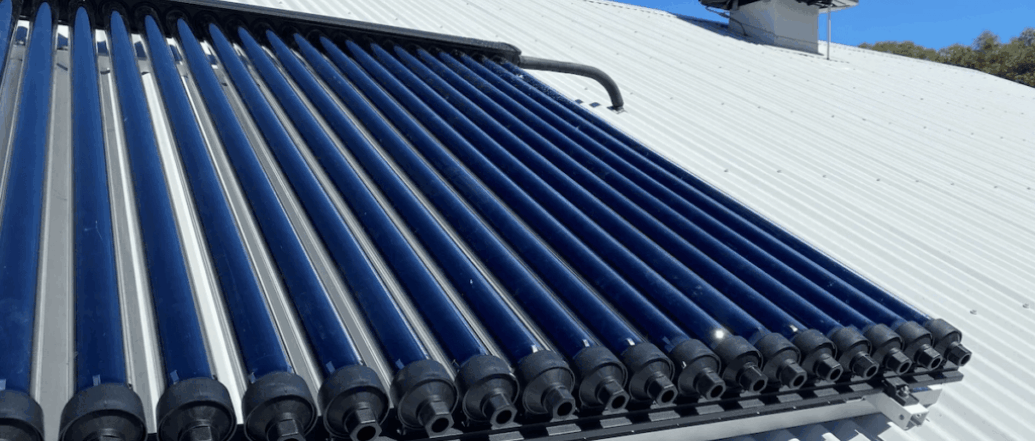
- Performance is dependent on sunshine, so cloudy days or winter months may require backup heating.
- Roof space and orientation are critical — not all homes can accommodate solar collectors effectively.
- Backup systems add complexity and cost.
- Upfront cost is typically higher than standard electric cylinders or heat pumps.
Comparing Heat Pump and Solar Systems
| Feature | Heat Pump | Solar Hot Water |
|---|---|---|
| Energy Source | Air | Sunlight |
| Reliability | High (works year-round) | Medium (dependent on sun) |
| Upfront Cost | Moderate to high | High |
| Running Cost | Low | Very low |
| Space Requirement | Outdoor unit + cylinder | Roof collectors + cylinder |
| Environmental Impact | Low | Very low |
In general, heat pumps are best suited for homes needing reliable year-round hot water, while solar systems excel in sunny locations where minimizing ongoing energy costs and carbon footprint is a priority.
Combining Technologies for Maximum Efficiency
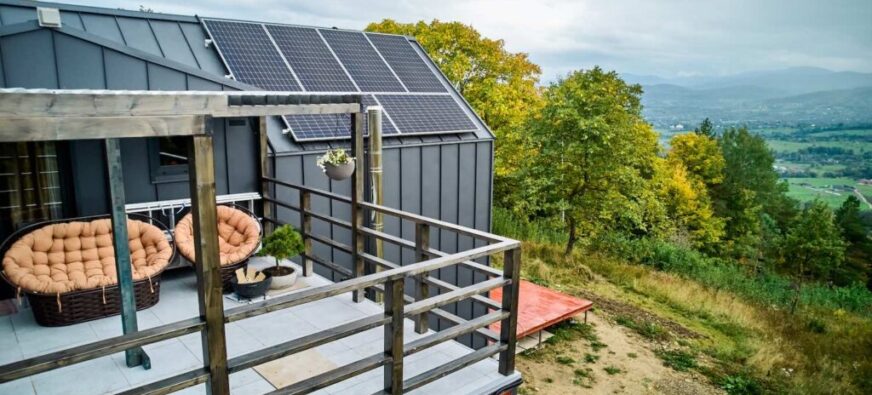
Some Kiwi homeowners achieve the best of both worlds by combining solar collectors with a heat pump system. During sunny periods, the solar system heats the water, and the heat pump provides backup when sunlight is insufficient. This hybrid approach maximises energy efficiency, reduces electricity bills, and ensures reliable hot water regardless of weather conditions.
Installation and Maintenance Considerations
Professionally installed heat pump and solar systems are a must to be up to NZ plumbing and electrical standards. Besides proper positioning, ventilation, and drainage of heat pumps, solar systems also need correctly oriented collectors, plumbing connections, and periodic maintenance to remain efficient.
Regular upkeep (for instance, checking the cylinder, valves, and backup elements) will keep the system going for a long time and at a high level of efficiency. It is very important to make the right choice of an installer if you want performance to last for a long time and safety standards to be observed.
Why The Cylinder Guys Are NZ’s Hot Water Experts
We assess your needs, explain all available options, and help you select a system that balances comfort, energy savings, and environmental impact.
Contact us today to discuss whether a heat pump, solar hot water system, or combination solution is the right fit for your home. Let us help you future-proof your hot water system while reducing energy bills and your environmental footprint.