
How Chlorinated Water Can Damage Pipes & Hot Water Cylinders — A Homeowner’s Guide

Table of Contents
Chlorine has become a standard method to disinfect water supplies and guard against water‑borne diseases. While this keeps drinking water safe, there is a hidden downside — chlorinated water can gradually damage your plumbing and hot water cylinders. In this guide, we explain why chlorinated water is a concern, what signs to watch out for, and how to protect your hot water system.
Why Chlorination is Common — But Risky for Plumbing
Chlorine is widely used to treat public water supplies because of its effectiveness in eliminating bacteria, viruses, and other pathogens. However, chlorine is a strong oxidizing chemical, and over time it can react with various materials commonly used in plumbing — including copper, steel, plastic pipes, fittings, and even components of hot water cylinders — potentially causing accelerated wear and corrosion.
For many years in some regions, drinking water has been supplied without chlorine — but when chlorination is introduced (for example after contamination events), problems with plumbing and hot water cylinders often start to surface.
What Causes Chlorine‑Related Damage in Pipes & Cylinders
Understanding the root causes can help you prevent problems before they become costly. Some of the main factors are:
- Chemical reactions: Chlorine reacts with metals like copper or steel, forming compounds (e.g. copper chloride) that corrode internal surfaces over time.
- Water chemistry (pH, minerals): Water with certain pH levels or high mineral content (hard water with calcium and magnesium) intensifies corrosive or scaling reactions.
- Temperature: Hot water systems expose pipes and cylinders to elevated temperatures — and higher temperatures speed up chemical reactions, increasing corrosion risk.
- Oxygen and other elements: Dissolved oxygen and other impurities can further accelerate corrosion and degradation.
When these factors act together — e.g. chlorinated water, hard water, hot temperature, older copper piping — the effect compounds, leading to much faster wear than under ideal conditions.
Red Flags — Signs Your Plumbing or Cylinder Might Be Failing
If your water supply is chlorinated (or you suspect it might be), it’s wise to periodically inspect your plumbing and hot water system. Here are warning signs to look out for:
- Old pipes or cylinders — units older than about 10 years, especially if installed with copper piping or fittings, are at higher risk.
- Corrosion around valves or fittings — visible rust, greenish stains (common with copper corrosion), or flaking metal.
- Discoloured water or blue‑green staining on sinks, drains or baths — often a sign of metals leaching from corroding pipes.
- Pin‑hole leaks and small drips — tiny leaks are often the first sign of internal corrosion thinning pipe walls.
- Reduced efficiency or hot water heater failure — corrosion inside a hot water cylinder can compromise heating elements, insulation or tank integrity, leading to breakdowns.
If you notice any of these — especially in an older property or one connected to a chlorinated water supply — it’s worth investigating further before major damage occurs.
How to Protect Your Hot Water Cylinder & Plumbing from Chlorine Damage
The good news: there are practical steps homeowners can take to mitigate the risk of chlorine-related corrosion.
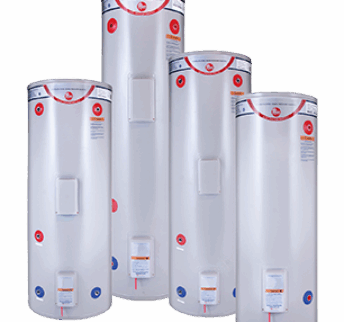
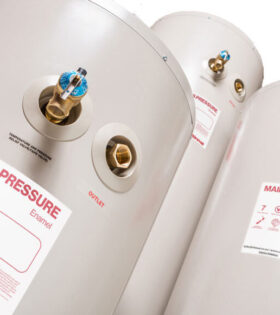
- Use corrosion‑resistant cylinders or pipe materials — Where possible, choose cylinders and pipes made from materials less prone to chlorine-related damage. Options such as stainless steel or enamel-lined tanks are often recommended in chlorinated-water areas.
- Regular maintenance and inspection — Have a qualified plumber check your cylinder and plumbing every few years (e.g. every 2–3 years) for early signs of corrosion, leaks, or degradation.
- Watch out for hard water issues — If your water supply has high calcium or magnesium content, consider using water softeners or installing filters — but be aware: even softened water can react with chlorine, so speak with a qualified installer about the best approach.
- Replace older systems proactively — For cylinders more than a decade old, especially those using copper and exposed to chlorinated supply, proactive replacement may save you from unexpected failures and water damage.
- Choose a trusted installer for correct installation and galvanic protection — Poor installation or lack of galvanic isolation (e.g. mixing incompatible metals) can accelerate corrosion and decrease lifespan.
What Happens When You Ignore Chlorine-Related Corrosion — The Hidden Costs
Failing to address chlorine‑induced wear can carry several risks and expenses:
- Leaking cylinders and plumbing — Small leaks can worsen over time, leading to water damage, structural damage (walls, floors, cabinetry), or mold issues.
- Reduced efficiency and early system failure — Corrosion inside the heater can reduce heating efficiency, result in higher energy use, or cause complete failure of the unit much sooner than expected.
- Contaminated water and aesthetic issues — Metals leaching from corroded pipes can discolor water, cause unpleasant tastes or odours, and leave stains on sinks, baths or fixtures.
- High replacement and repair costs — Depending on the extent of damage, you might need to re‑plumb entire sections of your home or replace the cylinder — an expensive and disruptive repair.
Given that water safety and plumbing integrity go hand in hand, it’s unwise to ignore early warnings.
How to Decide If Your Home Needs a New Cylinder or Plumbing Upgrade
If your water supply is chlorinated, consider the following as part of your risk assessment:
- Age of existing cylinder and plumbing (over 10 years → higher risk)
- Material used (copper, older steel, or older plastic pipes are more vulnerable)
- Evidence of discoloration, corrosion or leaks
- Hardness of water supply (high mineral content)
- Whether past maintenance has been regular and thorough
When multiple risk factors exist, it’s prudent to consider replacing old cylinders with newer, corrosion‑resistant models — ideally installed by experienced professionals who understand chlorine’s impacts on plumbing.
Why You Should Trust The Cylinder Guys for Safe, Long‑Lasting Hot Water Solutions
At The Cylinder Guys, we understand the hidden dangers that chlorinated water can pose to water heaters and plumbing.
Contact us today to assess your home’s hot water system and get a free consultation. With our dedication to quality workmanship and water‑safe solutions, The Cylinder Guys is the best choice when you want reliable hot water without the risk of premature corrosion or leaks.