
How to Choose the Right Hot Water Cylinder for Your NZ Home: A Complete Homeowner’s Guide

Table of Contents
How to Choose the Right Hot Water Cylinder for Your Home
Having hot water on tap is something many of us take for granted — hot showers in the morning or a relaxing bath in the evening are just there when we need them. This convenience is provided by the humble hot water cylinder: an often underappreciated household essential. But if it ever fails, you’ll wish you’d thought more carefully about what kind of cylinder to choose. The good news: a little planning now can save you from a dreadful cold shower someday.
When you’re considering a new hot water system — whether for replacement or new installation — it pays to think in advance about what will suit your household.
Ask Yourself the Right Questions
There’s no one-size-fits-all when it comes to hot water cylinders. Different homes have different needs. As you start your search, consider the following:
How Many People Live in Your Household?
A key factor is the number of occupants. As a rough guideline, one person uses about 50 litres of hot water per day. Standard cylinder sizes typically include 135, 180, 250 and 300 litres, so you need to pick a size that matches your household’s demand.
How Do You Use Hot Water?
Think not only about how many people live under your roof but how you use water. Do you have long showers or frequent baths? Do you wash clothes or dishes often? All these uses add up, and affect how much hot water your cylinder needs to store and deliver.
When Is Hot Water Used Most Often?
Timing may matter — do most occupants shower in the morning? Do you have kids who bathe at night? Are there times of the day when multiple taps or showers are used simultaneously (e.g. mornings and evenings)? If so, you may need a higher capacity or faster recovery cylinder to keep up with demand.
What Is the Running Cost of Your Current System?
Hot water heating can be a significant part of your energy costs. If you’re using a standard electric cylinder, heating hot water can account for roughly a third of your electricity bill. Given that, it may be worth considering more efficient or cost-effective alternatives.
What Energy Source and Availability Do You Have?
Hot water cylinders can be electric, gas, solar-ready (for future solar installation), or compatible with other heating systems. Depending on your location and the utilities available, some options may suit you better than others.
Are You Replacing an Existing System or Installing New?
Your decision may also depend on existing infrastructure, available space and budget constraints. Sometimes upfront costs matter more; other times long-term running costs take priority.
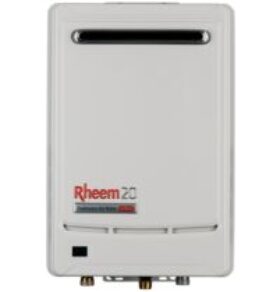
Types of Hot Water Cylinders — Pros and Cons
Once you’ve considered the questions above, the next step is to think about what type of hot water cylinder will suit your needs. Below are the main kinds, and what to consider for each.
Mains Pressure Cylinders
- Available in a variety of sizes to match most household demands.
- Often cheaper to install if replacing a similar unit.
- However, they may be more costly to operate compared to some alternatives, especially if hot water demand is high.
Low Pressure Cylinders
- Typically have a slower water flow rate, which can reduce water usage — and sometimes energy use as well.
- Can be very reliable and have a long expected lifespan.
- But for households that prefer a stronger flow (e.g. multiple bathrooms, larger family), the slower flow can be a drawback.
Gas-Fueled Hot Water Cylinders
- A good option if your home already has gas connections. They don’t require electricity to run, meaning they can supply hot water even during power outages.
- They may allow external installation, freeing up internal space.
- Be aware though that gas cylinders generally have higher heat losses than electric cylinders, and running costs depend on gas pricing fluctuations.
Outdoor Hot Water Cylinders
- Installing the cylinder outside the home can save valuable indoor space.
- Modern outdoor cylinders can be surprisingly efficient, thanks to improved insulation.
Solar-Ready and Future-Proof Cylinders
- Many high-pressure cylinders are “solar ready,” meaning you can connect them to a solar heating system now or in the future.
- This option tends to lower your day-to-day energy costs. However, initial installation (or future solar setup) can be expensive.
Wetback Cylinders (Supplemented by Fire/Fireplace)
- These are available in both low-pressure and mains-pressure variants. They use heat generated from a wood or pellet burning fire to help heat water — ideal if you already have a fire system in your house.
- They require specially designed wetback cylinders and fires, and usually must be installed close to each other. Local regulations (e.g. council restrictions) may apply.
Heat Pump–Compatible Cylinders
- Technically not a standard hot water cylinder — a heat pump system uses heat-pump technology (similar to home heating) to heat water efficiently, often with lower energy use compared to standard electric cylinders.
- Best suited for regions with average temperatures above roughly 7 °C. Upfront costs tend to be higher than traditional cylinders, but energy savings can be significant over time.
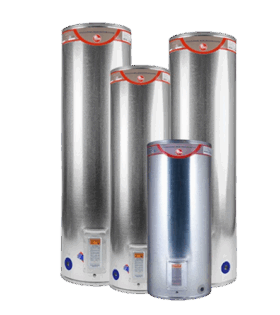
What Else Matters: Efficiency, Insulation, and Maintenance
- Insulation matters. Even the best cylinders lose heat over time — known as “standing losses.” Well-insulated cylinders and properly lagged (insulated) hot water pipes significantly reduce energy waste. This is especially important if the cylinder is installed outside or in an unheated space.
- Temperature control and safety. To prevent risks like bacterial growth (e.g. Legionella) or scalding, many cylinders are designed to operate at certain thermostat settings, often around 60 °C, and then deliver tempered water to taps.
- Choose a reputable installer. Installation (and future maintenance) is often just as important as the cylinder itself. A good installer will ensure that everything—including valves, pressure systems, insulation, and safety devices—is installed correctly and in compliance with local building codes.
Make the Right Choice Now
Choosing the right hot water cylinder isn’t just about picking a size or price. It’s about aligning capacity, usage patterns, energy source, space constraints, and future plans (like solar). Taking your time to assess all these factors now can save you from unnecessary energy bills — or worse, a cold shower.
If you’re unsure, or want honest advice on what’s best for your home (whether it’s a mains pressure cylinder, low pressure, gas, outdoor, solar-ready, wetback, or a heat-pump option), reach out to the team at The Cylinder guy. We’re happy to provide a free assessment and tailor our recommendation to your household’s specific needs.