
The Hastings Hot Water Cylinder Mystery — What Went Wrong, and What You Should Know

Table of Contents
In 2025 a major investigation finally shed light on why many homes in Hastings, New Zealand have experienced unusually high rates of hot‑water cylinder failures. For owners of older cylinders — especially low‑pressure copper units — the results were surprising, and alarming. In this guide, we unpack what the “Hastings mystery” was, what the investigation found, what this means for homeowners, and what to do if you still rely on an old cylinder.
The Strange Pattern — Why Hastings Stood Out
Over recent years plumbers and manufacturers noticed a worrying trend: low‑pressure copper hot‑water cylinders (often abbreviated LPCUs) in Hastings were failing at a dramatically higher rate than comparable cylinders in other parts of New Zealand. In fact, data showed the failure rate was nearly 20 times greater than elsewhere.
The failures were serious enough that some manufacturers excluded certain postcodes around Hastings from their warranties, citing “localised water conditions” as the reason.
At first, many assumed the culprit was chlorine — after all, municipal water supplies often rely on chlorination. But as investigations progressed, it became clear that the real cause was more complex.
What the Investigation Discovered — Water Chemistry, Not Just Chlorine
A report commissioned by the local council and carried out by international consulting engineers found that the problem stemmed from the unique characteristics of Hastings’ water supply — especially the water drawn from certain bores (for example, at Frimley and Wilson).
Key findings:
- The water had lower alkalinity and low dissolved organic carbon compared with typical supplies elsewhere in NZ. These chemical conditions made copper especially vulnerable to “pitting” — a form of corrosion that causes tiny holes and weak spots in the cylinder lining.
- While chlorine played a contributing role (it exacerbated corrosion), it wasn’t the sole cause — cylinders in other chlorinated areas did not show the same catastrophic failure rates.
These insights finally explained why Hastings cylinders were failing so disproportionately compared to other regions — the water chemistry was just uniquely aggressive to copper.

What This Means for Cylinder Owners in Hastings (and Similar Areas)
If you live in Hastings (or an area with similar water chemistry), and you have an older copper low‑pressure hot water cylinder, there are several implications:
- Your cylinder is at high risk — especially if it’s been installed for many years. The rate of failures suggests that even relatively recent installations may be vulnerable.
- Warranty or manufacturer support may not apply — many manufacturers have explicitly excluded high‑risk areas from warranty coverage, meaning replacement or repair costs may come out of pocket.
- Corrosion may develop silently — “pitting corrosion” often starts inside the tank and may not be obvious from the outside until leaks or pin‑hole failures occur. Regular inspections are therefore especially important.
- Chlorination alone isn’t to blame — so simply switching off or changing disinfection methods may not solve the problem. Water chemistry (alkalinity, dissolved organics) must be considered.
What’s Been Proposed — Chemical Treatment or Replacement
The investigation recommended a chemical water‑treatment regime to stabilise the water chemistry — a method used in other countries to control corrosion in municipal water supplies.
- Chemical treatment approach: This would adjust the water’s chemistry (e.g. raise alkalinity or add protective agents) to make it less aggressive toward copper plumbing and cylinders. If properly implemented across the supply network, this could significantly reduce future cylinder failures.
- Non‑treatment / homeowner approach: Because implementing chemical treatment on the entire water network involves cost and coordination, many homeowners are being advised to replace copper LPCUs proactively — ideally with cylinders made from more resistant materials (e.g. enamel-lined steel or stainless steel) suited to aggressive water.
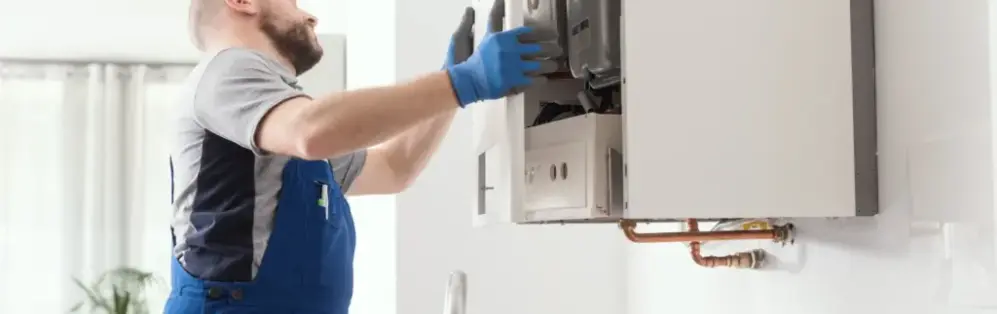
What You Should Do If You Live in Hastings — Or Have a Copper Cylinder
If you suspect your home may be vulnerable, here’s what you should do:
- Check what type of cylinder you have — if it’s a low‑pressure copper cylinder, treat it as higher risk.
- Inspect for signs of corrosion or leaking — even small pin‑hole leaks are a warning sign; corrosion may already be underway.
- Consider replacing with a corrosion‑resistant cylinder — enamel‑lined steel or stainless‑steel cylinders are far safer in aggressive water conditions.
- Consult a qualified plumber or hot‑water specialist — they can advise on cylinder size, pressure type (low vs mains), and material suited to your water.
- Ask about water‑treatment options — if you’re in a region with aggressive water chemistry, chemical treatment of water supply may help protect installed plumbing and cylinders (though this is often outside the control of individual homeowners).
Why The Cylinder Guys Is Ready to Help
At The Cylinder Guys, we understand how water chemistry — not just chlorination — affects the longevity of hot water cylinders. For homeowners in areas like Hastings (or others with similar water conditions), we offer:
- Expert advice on which cylinder types and materials are best suited for aggressive water.
- Safe, regulation‑compliant installation of enamel‑lined or stainless‑steel cylinders.
- Thorough inspection services to assess risk and detect early signs of corrosion or leaks.
If you suspect your cylinder may be vulnerable — or you want peace of mind with a long‑lasting hot water system — contact us today. We’ll help you choose the right cylinder for your home and water supply conditions, so you enjoy reliable hot water for years to come.