
The Importance of Hot Water During Winter — Why Kiwi Homes Need a Reliable Supply

Table of Contents
Why Hot Water Matters More in Winter
The chilly seasons in New Zealand are not only about the cold mornings, but they also show the importance of hot water for our comfort, hygiene, and domestic chores. A reliable hot water supply is absolutely necessary for bathing, washing, heating, and general well being.
Cold, damp winters can cause skin dryness, respiratory problems, and general discomfort, and heating through a hot shower or bath is one of the methods that can be used to keep the house warm, comfortable, and hygienic.
Moreover, hot water is a major ‘player’ in the winter household tasks that include laundry, dishwashing, cleaning to kill germs, cooking warm meals, and sanitising, which are the majority of them that rely strongly on hot water to be efficient.
Health, Hygiene & Comfort — The Unsung Benefits
- Warm water helps keep homes livable — in chilly weather, hot water for washing and bathing supports personal comfort and helps avoid cold‑related discomfort or skin issues.
- Hygiene & cleanliness — winter viruses and germs spread more easily in closed, indoor settings — hot water makes cleaning dishes, laundry and surfaces more effective.
- Emotional and mental comfort — a warm shower or bath after a cold day offers relaxation, stress relief, and improves mood — especially in the darker, colder months when many people spend more time indoors.
Energy Efficiency Matters in Cold Months
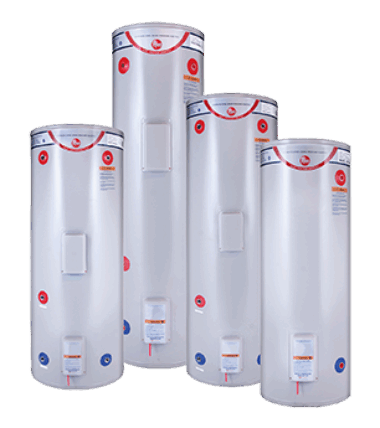
Typically, cold seasons are associated with increased energy consumption—therefore, the efficiency of your hot water system becomes a key factor. A good quality insulated cylinder or a latest system that does not lose heat (tank + well-insulated pipes) will result in less heat being wasted, a more consistent hot water supply, and lower electricity bills.
Proper thermostat settings (e.g. about 60 °C in the cylinder) are one of the ways to have safe hot water while at the same time avoiding unnecessary waste and the risk of overheating/scalding at the tap.
Prepare Your Hot Water System for Winter — Maintenance & Upgrades
Here are key actions to ensure your hot water remains reliable through winter:
- Insulate your cylinder and hot water pipes — especially if your cylinder is in a cold location (garage, underfloor, outside). Good insulation reduces heat loss and saves energy.
- Regular maintenance — flush the cylinder to remove sediment, inspect valves and components, test thermostats, and check for leaks. This ensures efficient operation and prolongs system life.
- Check system capacity — if your household has grown, or you’re using more hot water (longer showers, more laundry), a larger-capacity cylinder or a more efficient heating system may be worth considering.
- Set thermostat appropriately, use tempering valves — ensure hot water is stored hot enough to kill bacteria but delivered at safe temperature to avoid scalding.
The Risks of Ignoring Hot Water in Winter
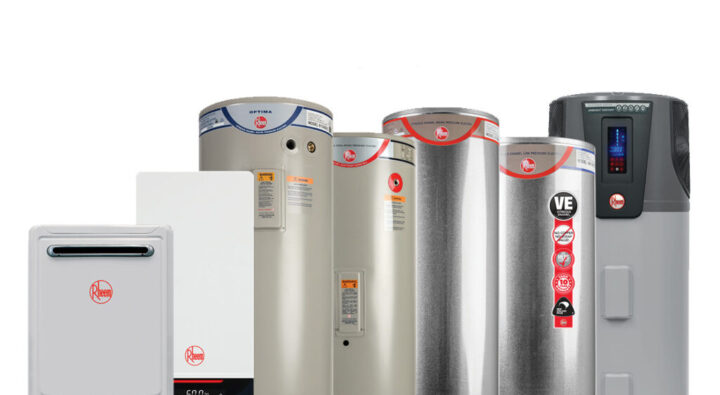
Neglecting hot water system maintenance or using an inefficient/undersized setup can lead to:
- Cold showers or unreliable hot water when you most need warmth and comfort.
- Increased energy bills as the system struggles to maintain temperature, or repeated reheating.
- Poor hygiene — insufficient hot water for cleaning, washing, sanitizing.
- System strain or damage, especially if sediment, leaks, or poor insulation are present.
Given winter’s demands, it pays to ensure your hot water system is up to the job.
How The Cylinder Guys Ensure Your Winter Goes Warm & Smooth
At The Cylinder Guys, we help Kiwi homeowners get ready for winter — from inspecting and servicing cylinders, to recommending insulation upgrades, to advising on proper thermostat settings and cylinder capacity.
We offer:
- Winter-ready servicing (flush, check valves, insulation, thermostat)
- Advice on cylinder upgrades or replacements for high‑demand households
- Safe installation and maintenance so your hot water stays reliable, efficient and ready when you need it
Contact us today — we’ll help you enjoy a warm, hygienic, and energy-efficient winter, without worrying about cold showers or hot water shortages.