Hot Water Cylinder Sizes: Choosing the Right Size Tank for Your Home
Table of Contents
Choosing the right hot water cylinder size is equally as important as picking the right heating system when you want a reliable supply of hot water in your home. If the cylinder is too small you will not have enough hot water in your shower. If it is too large, you will be wasting energy heating water that you do not use.
We will discuss how to size your hot water cylinder, the size options that are available, and what you need to consider before purchasing.
Why Cylinder Size Matters
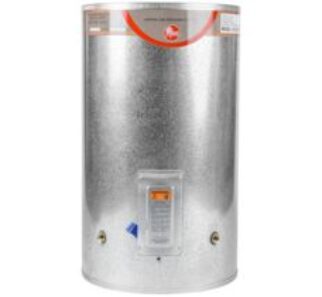
Hot water cylinders are devices that store water after it has been heated and that are made available throughout your household. The tank you decide on has to be of a size that is able to satisfy your maximum hot water requirements for example, the consumption of hot water for showers, washing dishes, and laundry and at the same time, it should not produce more water than necessary.
The reason for this is that an oversized tank heats water that is extra and that you only very rarely use, thus, the running costs and energy bills go up.
In general, the consumption of water per person per day is considered to be between 40 and 60 liters. This means that a family of four would roughly need 160, 240 liters of hot water daily.
Common Hot Water Cylinder Sizes
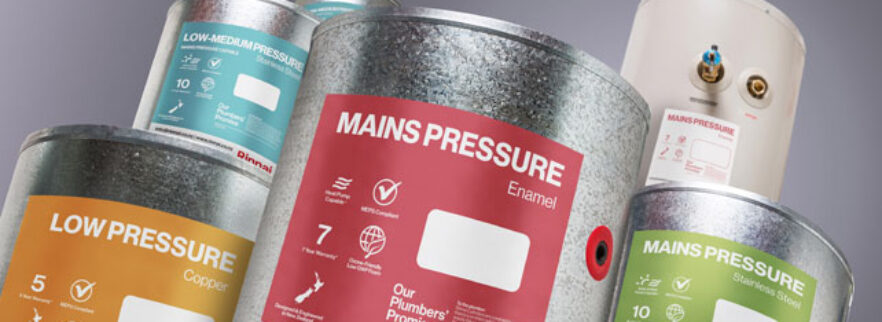
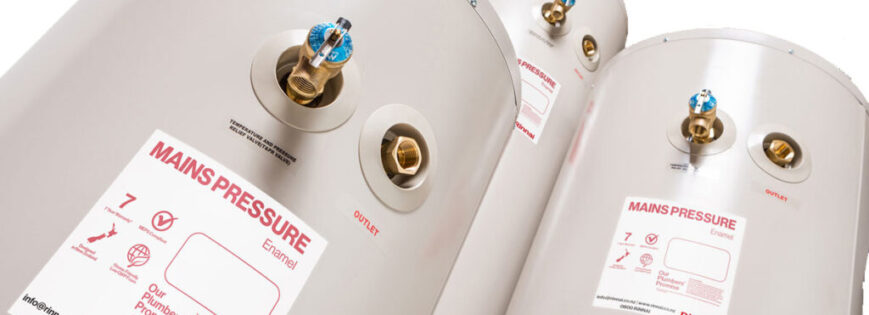
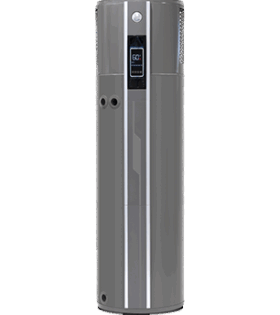
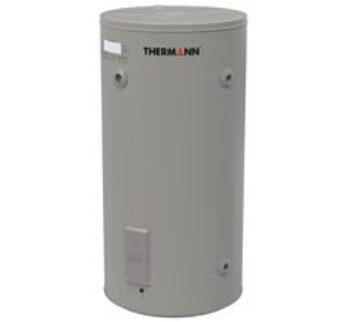
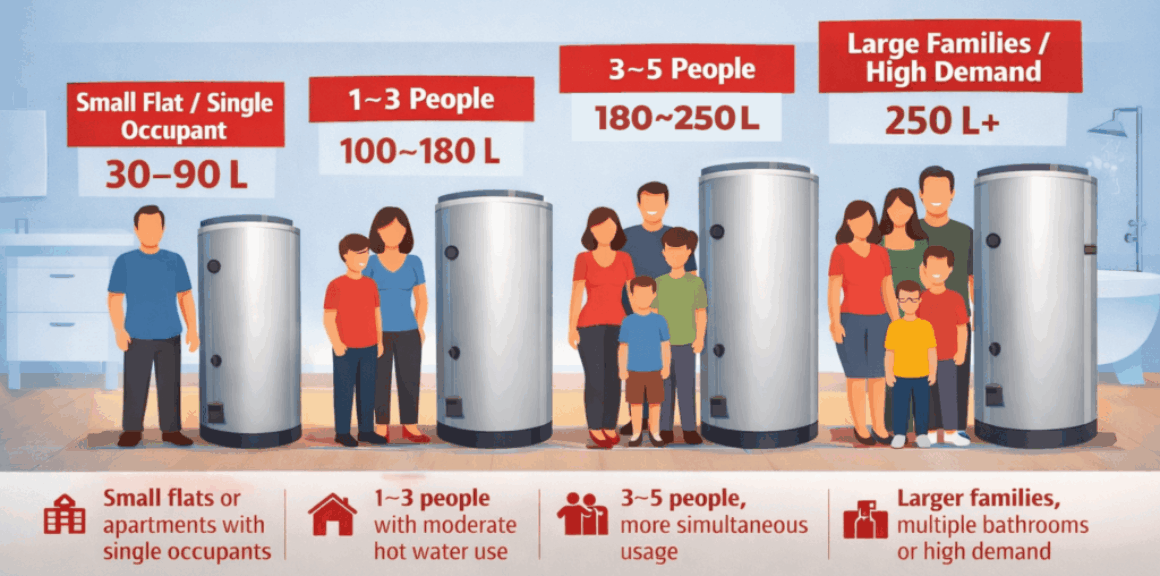
Hot water cylinders are available in diverse capacities. Rinnai, for instance, a top manufacturer, has a series of mains pressure storage cylinders ranging from approximately 30 L to about 250 L (with some larger sizes that were available earlier).
Here’s a simplified guide to common sizes and household applications:
Mains Pressure vs Low Pressure Cylinders
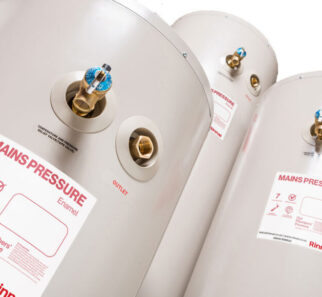
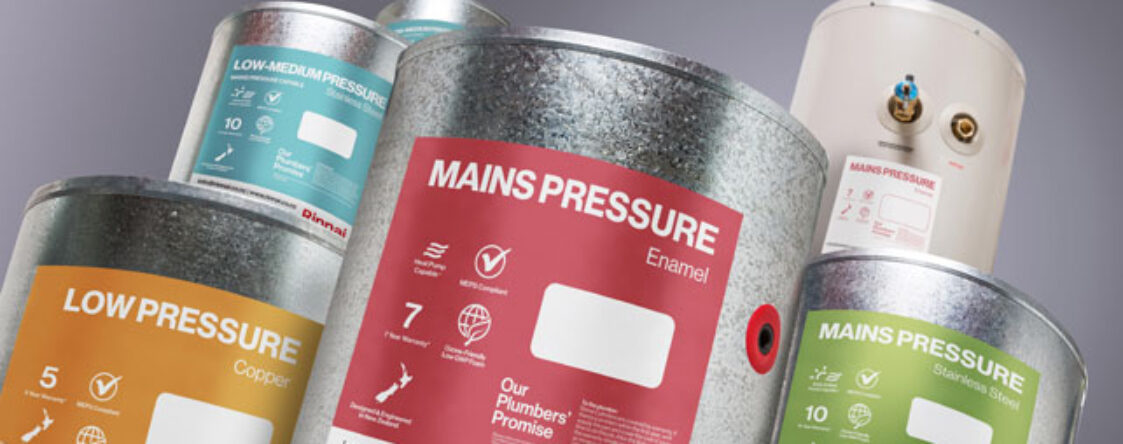
Nowadays, New Zealand installations mainly opt for unvented cylinders operating at mains pressure. Such a setup ensures that hot water is supplied at the same pressure as the mains, resulting in shower and tap performance that is consistent and of the expected standard.
On the other hand, erstwhile low pressure systems which are typical of aged residential quarters use gravity feed from a header tank and, therefore, cannot be expected to provide a flow that is as strong as you are used to nowadays.
What to Consider When Choosing a Size
Choosing the right cylinder isn’t just about litres — it’s also about how you live:
1. Household Size & Demand
The number of occupants and their habits (e.g., long showers, multiple bathrooms) play the biggest role in sizing decisions.
2. Peak Usage Times
Think about busiest times — morning routines, evening baths, or frequent laundry — to ensure the cylinder can cope with simultaneous hot water draws.
3. Physical Space
Cylinders take up room. Typical diameters range from roughly 460 mm to 810 mm, with most around 480–580 mm, so measure your installation area before buying.
4. Heating Source & Future Upgrades
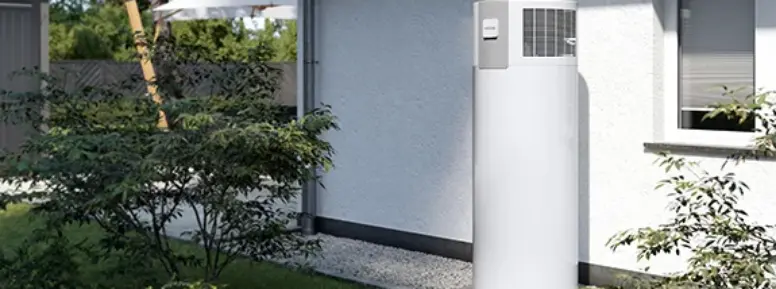
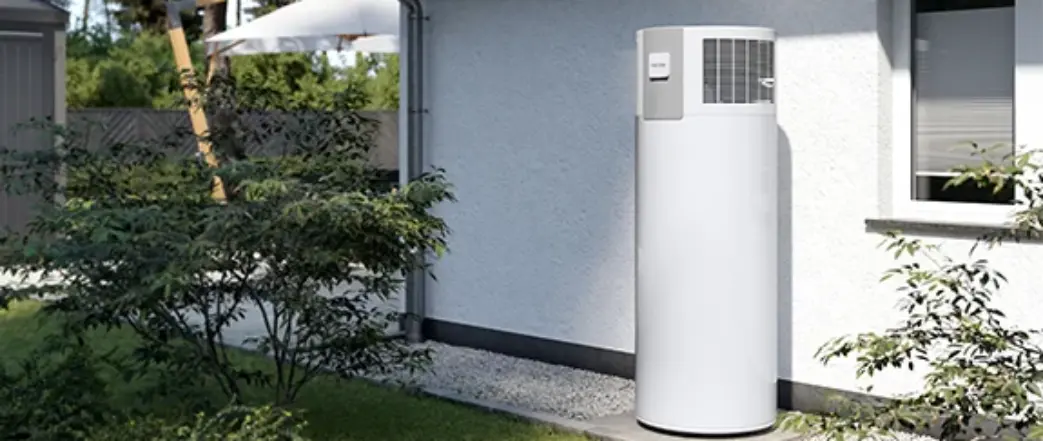
If you plan to switch to solar or heat pump water heating later, some cylinders are easier to adapt than others. Certain Rinnai models, for example, offer compatibility with solar and heat pump connections.
5. Standing Heat Loss
Short, broad cylinders tend to have lower heat loss compared to tall, slim models — meaning better energy efficiency over time.
Installation & Safety Notes
-
All cylinders must include proper temperature and pressure relief valves for safety.
-
Ensure your installer complies with local regulations and includes correct expansion control (especially for mains pressure systems).
Final Tips
-
Don’t oversize “just in case.” Waste heat equals higher bills.
-
Consult a professional. Hot water usage can vary widely between households.
-
Plan for the future. Planning a family extension or renovation? Choose a cylinder size that anticipates increased demand.
Ready to Choose Your Hot Water Cylinder?
Choosing the right hot water cylinder size can make a big difference to your comfort and energy bills. If you’re ready to find the perfect cylinder for your home or need expert advice, our team can help.
Get a personalised quote today and make sure your household never runs out of hot water: Request a Quote