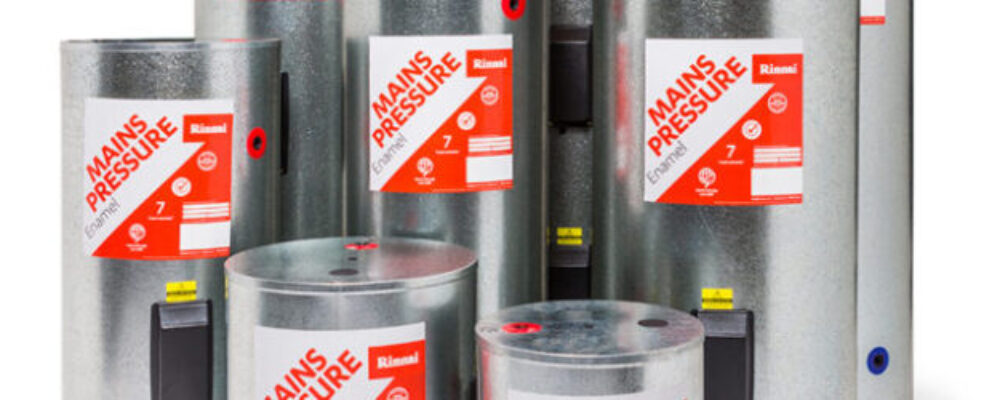

MBIE’s proposed energy efficiency regulations will require all new electric hot water cylinders sold from 2027 to include solar ready pre-wiring capabilities. Industry compliance costs are projected at $45-65 per unit, with potential savings of 15-20% on household water heating bills.
How to comply with proposed requirements
Manufacturers must ensure all new electric storage cylinders include solar thermal pre-wiring connections and controller compatibility. It is a legal requirement for suppliers to meet Energy Efficiency (Energy Using Products) Regulations standards before market entry.
Solar ready implementation at a glance
85,000
Annual cylinder sales
$45-65
Compliance cost per unit
15-20%
Potential household savings
July 2027
Implementation deadline
$200,000
Maximum penalty
Which products are included
The proposed standards cover electric storage water heaters with capacity between 25-400 litres intended for domestic use. Solar ready hot water cylinders must feature standardised connection points for thermal collectors and digital control interfaces.
Which products are excluded
Exemptions apply to instantaneous water heaters, heat pump cylinders, and commercial systems above 400 litres. Gas-fired units and wetback cylinders fall under separate regulatory frameworks.
Technical specifications required
Solar ready cylinders must incorporate twin-element capability, with upper elements rated at 2.4kW maximum. Temperature control systems must accommodate solar thermal inputs while maintaining mains pressure operation standards.
Standards framework
Products must comply with AS/NZS 4692:2017 for electric storage water heaters and AS/NZS 2712:2007 for solar water heater systems. Standards can be purchased from Standards New Zealand for detailed technical requirements.
NZ Building Code requirements
Installation must meet Building Code Clause G12 for water supplies and Clause H1 for energy efficiency. According to Building Performance, the changes align with residential energy efficiency targets under the Climate Change Response Act 2002.
Market impact projections
MBIE estimates 85,000 electric cylinders are sold annually in New Zealand. Industry consultation revealed mixed responses, with major manufacturers supporting standardisation while smaller suppliers cite increased production costs.
Implementation timeline
Final regulations are expected by December 2026, with an 18-month transition period for existing stock. Non-compliant products cannot be imported or sold from July 2027, with penalties up to $200,000 for commercial suppliers.
Registration and certification
Suppliers must register compliant products with EECA’s database system before market release. Third-party testing certificates from accredited laboratories will be mandatory for all solar ready cylinder models.
New Building Code amendments and expanded clean energy grants will make solar ready hot water systems mandatory for most commercial developments by early 2027, creating both compliance costs and significant long-term energy savings for NZ businesses.
At a glance
Building Code H1 amendments requiring solar ready infrastructure in commercial buildings over 500m² from January 2027
Clean Energy Finance Programme expanding to include $50 million for commercial solar hot water retrofits
Energy efficiency disclosure requirements for commercial leases starting October 2026
Regional council rates rebates of up to 20% for buildings with renewable hot water systems
Supply chain constraints expected through winter 2026 as demand surges ahead of regulatory deadline
Regulatory Timeline
The Ministry of Business, Innovation and Employment has finalised amendments to Building Code Clause H1 (Energy Efficiency) that will require all new commercial buildings over 500m² to include solar ready hot water cylinders and pre-installed solar thermal infrastructure from 1 January 2027.
Solar Ready Hot Water: Key Business Figures
Jan 2027
Building Code compliance deadline
$50M
Government funding available
$75K
Maximum grant per site
30-45%
Expected energy cost savings
25%
Installation cost increase since Jan
Key compliance requirements include:
Dedicated solar thermal piping circuits with isolation valves
Roof structural reinforcement calculations for solar collector loads
Electrical conduit pathways for solar thermal circulation pumps
Hot water cylinder specifications meeting AS/NZS 4692:2024 solar compatibility standards
Building consent authorities will require detailed solar readiness plans as part of all commercial applications from October 2026, creating a six-month transition period for the construction industry.
Financial Incentives and Costs
The Government’s Clean Energy Finance Programme will allocate $50 million specifically for commercial solar hot water retrofits across 2026-2028. Eligible businesses can access:
Grants covering 40% of installation costs up to $75,000 per site
Interest-free loans for the remaining 60% over five-year terms
Additional 10% top-up grants for businesses in regional areas outside main centres
Fast-track approval process for applications under $25,000
However, according to EECA, the funding pool is expected to be oversubscribed by 300%, creating intense competition for available grants.
Installation costs have already increased 25% since January 2026, with further price pressures expected as the regulatory deadline approaches. Industry estimates suggest total system costs of $15,000-$35,000 for typical small-to-medium commercial installations.
Energy Efficiency Disclosure Impact
New commercial lease disclosure requirements starting October 2026 will mandate energy efficiency ratings for all business premises over 300m². Properties with solar hot water systems will receive preferential ratings under the updated Building Energy Rating Scheme (BERS).
This creates a two-tier commercial property market where:
Solar-equipped buildings qualify for ‘Green Star’ lease classifications
Traditional electric or gas hot water systems trigger mandatory efficiency improvement notices
Landlords face potential rental income reductions of 8-12% for non-compliant properties
Tenant utilities costs decrease by an estimated 30-45% in solar-ready buildings
Regional Variations and Opportunities
Auckland, Wellington, and Canterbury councils have confirmed rates rebates of 15-20% for commercial buildings that exceed minimum solar readiness requirements. Christchurch City Council’s enhanced rebate applies to any business installing solar hot water systems before December 2026, regardless of building age.
However, regional supply chain capacity varies dramatically:
North Island: 18-month installation waitlists expected by September 2026
South Island: Better contractor availability but higher freight costs for equipment
Industry analysis warns of critical component shortages throughout 2026. Solar thermal collectors and compatible hot water cylinders face 6-8 month lead times, with further delays if overseas manufacturing is disrupted.
Technology risks include:
Rapid advancement in heat pump solar hybrid systems potentially obsoleting current installations
Building integration challenges with older commercial premises requiring structural assessments
Maintenance contract availability – qualified solar thermal technicians remain scarce outside main centres
Insurance considerations as some providers exclude coverage for retrofitted solar thermal systems
The counter-argument centres on proven return-on-investment data showing payback periods of 7-9 years for most commercial installations, making the technology financially viable despite higher upfront costs.
Impact
The convergence of regulatory compliance, financial incentives, and market forces will fundamentally reshape commercial property energy infrastructure over the next 12 months. Businesses that act early will capture available funding and avoid the installation bottlenecks expected in late 2026.
Property owners face a stark choice: invest in solar ready hot water systems voluntarily to access grants and preferred lease classifications, or face mandatory compliance costs without subsidies from January 2027. The energy savings alone – typically $3,000-$8,000 annually for medium-sized commercial operations – justify the investment timeline.
However, the supply chain constraints and skilled installer shortage create genuine risks for businesses delaying decisions beyond mid-2026. Those organisations requiring new premises or major refurbishments should prioritise solar readiness in their planning immediately, as the regulatory and economic environment will only become more restrictive through 2027.
This year marks a major milestone for Apricus Eco — ten years of steering New Zealand homes toward sustainable, efficient water-heating solutions. Under the leadership of their founder “Marcus,” Apricus Eco has evolved from offering solar hot water systems to delivering cutting-edge heat pump technologies, displaying a long-term commitment to quality, reliability, and environmental impact.
For homeowners choosing a hot water system today, Apricus Eco’s journey reflects a larger trend: moving from traditional, high-energy options to smarter systems that prioritise energy efficiency, sustainability, and cost-effectiveness.
From Solar Beginnings to Advanced Heat Pumps
Apricus Eco was one of the first companies to use solar hot water systems, and they have since built a reputation for providing clean energy solutions. To meet the changing needs of the market and take advantage of the latest technology, they have broadened their product range. Their current products include air-source heat pumps, CO₂-based “Reclaim” heat pump systems, and “All-in-One” heat pump units.
The company’s transition reflects their awareness of the requirements of New Zealand homes that are changing. People want a hot water supply that is available at all times even if the house is located in a cold region, and they want to save money on energy while at the same time lower their energy consumption.
What This Means for Homeowners — Benefits You Can Expect
Owning a system from a stable, experienced provider like Apricus Eco (via The Cylinder Guys) offers several advantages:
Reliability and support: Because Apricus Eco maintains local stock of parts and supports previous installations, homeowners get reassurance that maintenance or spare parts are readily available.
High-efficiency hot water: Their heat pump systems — including “Reclaim CO₂” and “Apricus All-in-One” — use advanced refrigerants and compressor technology to deliver hot water efficiently, even in cold weather.
Lower ongoing costs and environmental impact:Heat pumps can significantly reduce energy consumption compared with older electric or gas systems. For environmentally conscious homeowners, this delivers both savings and a smaller carbon footprint.
Smart, modern design and added conveniences: Apricus All-in-One units combine tank and pump/heater in a compact package — a space-saving solution that works well in many Kiwi homes.
Why The Cylinder Guys Are Proud to Be Part of This Success
As an authorised installer and supporter of Apricus-Eco / Reclaim systems, The Cylinder Guys brings this decade-long expertise directly to homeowners. Here’s how we add value:
We help you choose the right system based on your household size, hot water demand, and lifestyle — whether that’s a heat pump or hybrid system.
We ensure installation is done to the highest standards, with correct placement, ventilation, and water-heating setup to maximise efficiency and lifespan.
We provide ongoing support and maintenance, and because Apricus Eco stocks parts locally, servicing is simpler and faster.
We advocate for sustainability — helping Kiwi households reduce energy bills and environmental impact while enjoying modern comfort.
If you want a proven, future-ready hot water system that delivers reliability and long-term savings — systems from Apricus Eco (installed by The Cylinder Guys) remain among the best choices available in New Zealand.
Contact us todayto explore your heat pump options and join a decade of innovation and smart hot water solutions.
When upgrading or replacing a cylinder, deciding whether to go for a mains pressure or a low pressure hot water system is probably the most crucial decision of a homeowner. Knowing the differences will allow you to pick the system that matches the size, plumbing, and lifestyle of your home the best.
Understanding the Basics: What Is Low Pressure Hot Water?
Low pressure systems were typical in New Zealand houses that were built some years ago. These systems heat water in a cylinder but, to safeguard the old plumbing, they give it at a lower pressure.
Benefits include:
Lower upfront cost
Less stress on old pipes
Adequate performance for older-style tapware
However, they rarely meet the expectations of modern households.
What Is Mains Pressure — and Why Is It Better?
Mains pressure systems supply hot water at the same pressure as the cold water supply of your house. As a result, there will be more powerful showers, quicker water flow, and upgraded performance of the modern mixers and appliances.
Key advantages include:
Fantastic shower pressure
Better for homes with multiple bathrooms
Faster filling of sinks and baths
Ideal for contemporary tapware
This is why most new builds and renovations now use mains pressure as the standard.
Which System Offers Better Energy Efficiency?
Mains pressure cylinders typically use modern insulation, higher-efficiency elements, and more advanced construction. This leads to:
Reduced heat loss
Lower running costs
Longer lifespan
Low pressure systems tend to be older models with less efficient heating and insulation.
Which Option Is More Future-Proof?
It is a wiser decision to go for mains pressure if you intend to update your home or bathroom. Low-pressure systems have a very restrictive effect on the types of tapware that can be used. Almost all new designed fixtures, in fact, are not compatible with low pressure.
With mains pressure, you gain:
More design freedom
Better compatibility with rain showers, mixers, and high-flow taps
Future-proof performance
Cost Considerations
Low Pressure
✔ Cheaper to install ✘ Higher ongoing costs ✘ More limitations for future upgrades
Mains Pressure
✔ Best long-term value ✔ Higher efficiency ✔ Modern performance ✘ Slightly higher upfront cost
For most households, the long-term savings and improved comfort make mains pressure the better investment.
Final Thoughts
Mains pressure is definitely the best option for the majority of New Zealand homes if you are looking for better performance, stronger showers, and an increased home value. Low-pressure systems can still be suitable for older plumbing setups, but it seems that most of the homeowners are upgrading their systems to gain more comfort and efficiency.
Why Choose The Cylinder Guys
If you are upgrading from a low-pressure system or changing an old system, The Cylinder Guys are the specialists you can rely on for hot water solutions. We provide a quick installation, top-quality cylinders, and the support of an expert to be sure you get the best arrangement in your home.
Don’t hesitate to get in touch with us if you want to get a recommendation or a quote without any cost. If you are looking for a dependable and efficient water heating solution, turn to The Cylinder Guys.
Solar hot water systems are becoming a more popular choice among New Zealand households as the energy prices go up and the homeowners become more environmentally conscious. These systems don’t use gas or electricity. They capture the sun’s natural energy to heat your water—so you save on your power bill and also on the environment.
A solar hot water system that is properly designed can be the main source of your home’s hot water for daily use, especially in the months with a lot of sunshine. And with the current technology, efficiency, and different system options, solar hot water is a quite reliable and easy-to-get solution.
Here, we will discuss the good and bad sides of the solar hot water system, the factors to consider, and what a home needs to have to be suitable for solar hot water. Furthermore, we’ll tell you why The Cylinder Guys are the reliable experts when it comes to the solar hot water installation all over New Zealand.
How Solar Hot Water Systems Work
Solar hot water systems depend on solar collectors—generally installed on your roof—to take in solar energy and change it into heat. This heat is later delivered to your home’s hot water cylinder via a closed-loop system. A few systems might have evacuated tubes, while some others might have flat-plate panels; both being able to work better in different situations depending on where your house is and how much sun it gets.
In a bright sunny day, solar is capable of providing the major part or the whole of your hot water needs. On cloudy days, in most cases, the systems are thus able to switch automatically to a backup heating source like electricity or gas so that you can have hot water at any time.
Benefits of a Solar Hot Water System
Carbon-free heating & reduced emissions. Solar water heaters are less pollutive than conventional ones, since they use the sun’s energy instead of fossil fuels, and thus are part of the solution to the greenhouse effect.
Long-term cost savings. The use of solar energy for heating water lessens or totally removes the gas or electricity bills after the first investment in the system — some homeowners state that their energy costs have been lowered by 50–80% over the years.
Low maintenance and quiet operation. Since solar devices have very few parts that move, they work quietly most of the time and maintenance is usually simple, e.g., an occasional cleaning to prevent the buildup of minerals.
Energy independence. If you apply solar water heating, you will be less affected by the fluctuations in energy prices and the shortage of gas will not be a problem.
Drawbacks & Considerations with Solar Water Heating
High upfront installation cost. Solar collectors, storage tanks, and installation can cost significantly more than conventional water heaters.
Climate and weather dependency. Solar systems depend on sufficient sunlight. In areas with frequent cloudy days or during winter months, performance may drop — sometimes requiring a backup system (gas or electric) to ensure consistent hot water.
Space and roof-layout requirements. Solar collectors and storage tanks require sufficient roof or outdoor space and may not be suitable for every type of house layout.
May need backup system. Because solar alone may not always meet demand (especially in low-sunlight periods), many homeowners choose to augment solar heaters with a gas or electric backup.
Is Solar Water Heating Right for Your Home?
Solar hot water can be an outstanding investment, but suitability depends on several factors:
Your Region’s Climate
Homes in sunnier regions of New Zealand (Auckland, Northland, Waikato, Bay of Plenty) see the biggest gains. Cooler southern regions may still benefit but require more robust system design.
Roof Orientation & Design
A north-facing roof with minimal shade is ideal. East- or west-facing roofs can still work but with slightly reduced performance.
Household Size & Water Usage
Larger families often see the quickest return on investment due to higher hot water consumption.
Your Budget & Long-Term Goals
If you’re planning to stay in your home for several years, solar savings add up significantly. Environmentally conscious homeowners also value the reduced carbon emissions.
Existing Cylinder Condition
If your current hot water cylinder is old, failing, or undersized, that’s a good opportunity to upgrade to a solar-ready or integrated system.
In short: solar hot water is a fantastic choice when the system is correctly specified, professionally installed, and tailored to your unique home and lifestyle.
Why Choose The Cylinder Guys for Solar Water Installation At The Cylinder Guys, we have the expertise to assess your home’s suitability for solar water heating, recommend the right system size, and handle professional installation for maximum efficiency and safety. Contact us today to discuss your hot water needs.
Contact The Cylinder Guys Today
If you’re considering solar hot water or want to know if your home is a good candidate, we’re here to help. Whether you’re upgrading an old cylinder, building a new home, or looking to reduce long-term energy bills, our team can guide you through every step.
The Cylinder Guys – New Zealand’s trusted experts in hot water solutions. Reach out today for advice, a quote, or to book your solar hot water installation. Let us help you enjoy reliable, sustainable, and cost-effective hot water—powered by the sun.