
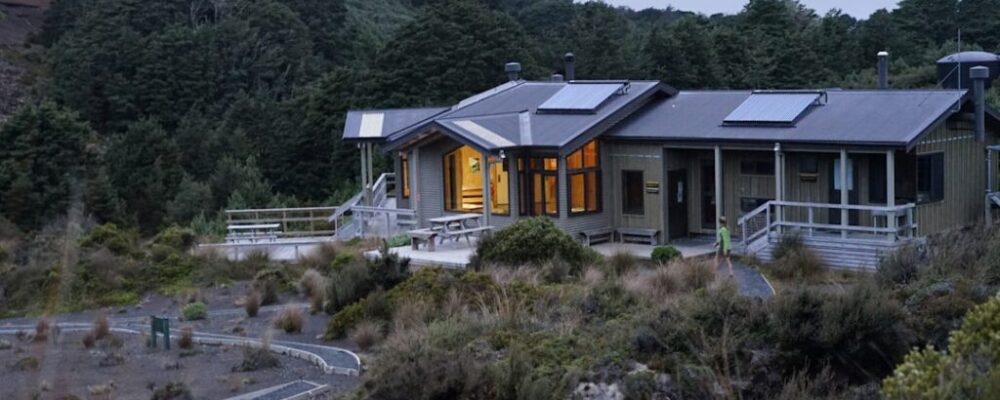
Building consent requirements for solar ready hot water systems have been clarified under recent Building Code amendments, with specific pathways now defined for residential installations. The changes affect both new builds and retrofit installations across all council jurisdictions.
Building Consent Requirements
It is a legal requirement for property owners to obtain building consent for solar ready hot water cylinder installations that include structural modifications or electrical work beyond simple replacement. Councils must now process applications under the streamlined pathway introduced in March 2026.
Consent Processing Timeframes
15 days
Average processing time
300L
Exemption threshold
3 stages
Inspection stages
Which Systems Require Consent
All solar ready installations involving new cylinder mounting, roof penetrations, or electrical upgrades require building consent. Simple cylinder replacements using existing connections may qualify for exemption under Building Code Schedule 1.
Compliance Standards
Solar ready systems must comply with NZS 4602:2020 for solar water heating and AS/NZS 3500.4 for heated water services. Standards can be purchased from Standards New Zealand.
Building Code Requirements
Installations must meet Building Code Clause G12 (Water Supplies) and Clause E2 (External Moisture) for roof penetrations. According to Building Performance, systems must demonstrate adequate pressure and temperature relief provisions.
Pre-installation Documentation
Applications must include manufacturer specifications, structural calculations for roof mounting, and electrical compliance certificates. Council processing times average 15 working days for compliant applications.
Exemption Categories
Limited exemptions apply to:
Direct replacement using identical mounting points
Systems under 300 litres with no structural changes
Installations by licensed practitioners under existing consents
Council Inspection Requirements
Mandatory inspections occur at rough-in stage for plumbing and electrical connections, plus final inspection before code compliance certificate issuance. Remote visual inspections may be accepted for straightforward installations.
Retrofit Considerations
Existing dwellings may require additional structural assessment for roof loading compliance. Earthquake strengthening requirements apply to cylinders over 250 litres in medium and high seismic zones.
EECA’s revised subsidy criteria for electric cylinder heat pump upgrades now require proof of existing cylinder age and condition, potentially excluding thousands of households from the $1,000 rebate scheme.
Understanding the New Eligibility Requirements
Your electric cylinder heat pump upgrade subsidy application now requires documentation proving your existing electric cylinder is at least 10 years old or showing signs of deterioration. This marks a significant shift from the previous blanket eligibility approach that covered most electric water heating replacements.
Key Subsidy Changes at a Glance
10 years
Minimum cylinder age
6-8 weeks
Processing time
$200-400
Additional costs
85%
Approval rate
The new rules specifically target households with older, inefficient systems rather than supporting all electric-to-heat-pump conversions. You must provide either a purchase receipt showing installation date, a plumber’s condition report, or photographic evidence of corrosion or performance issues.
Installation Requirements That Affect Your Subsidy
Your heat pump cylinder installation must meet updated minimum efficiency standards — the system must achieve a coefficient of performance (COP) of at least 3.2 in New Zealand’s average climate conditions. This eliminates some budget heat pump models that previously qualified for subsidies.
The installer must also complete a pre-installation energy assessment comparing your current system’s consumption against the proposed heat pump’s projected performance. This assessment becomes part of your subsidy application and affects processing times, which now extend to 6-8 weeks rather than the previous 3-4 weeks.
Cost Implications of the Updated Scheme
While the subsidy amount remains at $1,000, the additional documentation and assessment requirements add $200-400 to typical installation costs. Many installers now charge separate fees for the pre-installation assessment and condition reporting that the subsidy application requires.
According to EECA, the programme aims to target households where heat pump upgrades will deliver the greatest energy savings, but this approach means newer electric cylinders — even if inefficient — no longer qualify for support.
The practical effect is that households with electric cylinders installed in the last decade face higher out-of-pocket costs for voluntary upgrades, while those with genuinely failing systems receive the same subsidy level as before.
Regional Variations in Processing Times
Processing delays vary significantly across regions, with Auckland and Wellington applications taking longest due to higher application volumes and stricter verification processes. Canterbury and Otago regions show faster processing, averaging 4-5 weeks, while Northland and Bay of Plenty installations face 8-10 week delays.
Your installer’s familiarity with the new documentation requirements significantly affects approval speed. Experienced installers who regularly complete the pre-installation assessments see approval rates above 85%, while those unfamiliar with the process face rejection rates near 40%.
Questions to Ask Your Installer Before Starting
You should confirm whether your installer is registered with EECA’s approved contractor network and has completed successful heat pump cylinder subsidy applications under the new criteria. Ask for examples of their documentation approach and typical approval timeframes.
Verify that your installer will complete the energy assessment at the quoted price rather than charging additional fees after work begins. Request clarity on what happens if your subsidy application is rejected — whether installation costs increase and who bears responsibility for the additional expense.
Ask whether your existing cylinder’s age and condition are likely to meet the new eligibility criteria before committing to the upgrade process.
Why These Changes Matter for Your Decision
The stricter eligibility criteria reflect government pressure to demonstrate measurable energy savings from subsidy programmes rather than simply supporting technology adoption. However, this approach may discourage proactive upgrades by homeowners with functioning but inefficient electric cylinders.
The additional costs and complexity mean that voluntary heat pump upgrades now require more careful cost-benefit analysis, particularly for households with electric cylinders in reasonable condition. The subsidy changes essentially create a two-tier system where emergency replacements receive support while efficiency improvements face higher barriers.
New Building Code amendments effective July 2026 will require all new residential builds to include solar ready hot water cylinder infrastructure. Property developers face compliance costs of $800-1,200 per dwelling but gain future-proofing against rising energy prices.
Solar ready infrastructure requirements
The Building Code amendment H1/AS1 now mandates that all new residential buildings include infrastructure to support future solar hot water installation. You must install pre-wiring, plumbing connections, and structural supports during initial construction.
Solar Ready Compliance Costs
$800-1,200
Infrastructure cost per dwelling
$2,000-3,500
Future retrofit savings
300L
Minimum cylinder capacity
2.5m²
Required heat exchange surface
Solar ready hot water cylinders must include a dedicated electrical connection rated for 15 amperes, positioned within 3 metres of the proposed solar collector location. The cylinder requires a second heat exchanger coil with 22mm copper connections and isolation valves rated to 1000 kPa working pressure.
For example: A new two-storey home requires pre-installed conduit from the roof space to the cylinder location, plus reinforced mounting points capable of supporting 200kg distributed load for future solar collectors.
Note: Existing buildings undergoing major renovations valued above $100,000 must also comply with solar ready requirements where structurally feasible.
Mandatory design specifications
Solar ready systems must accommodate both electric boost and solar thermal input. The cylinder requires dual-element configuration with the upper element controlled by a timer switch and the lower element providing solar backup heating.
Plumbing layouts must include dedicated return lines from the proposed solar collector location. These lines require 22mm copper piping with continuous fall of minimum 1:100 back to the cylinder. Isolation valves must be accessible and clearly labelled for future solar connection.
According to Building Performance, the new requirements aim to reduce retrofit costs by up to 60% when homeowners later install active solar systems.
Roof structural elements must provide fixing points rated for wind loads up to 44 metres per second. You must install these anchor points within the optimal solar exposure zone, typically the north-facing roof area with minimum 30-degree pitch.
Flashing integration points for penetration sealing
Dedicated electrical conduit to switchboard location
Note: Properties with unsuitable roof orientation or excessive shading may apply for alternative compliance through enhanced building envelope performance.
Cylinder specifications and standards
Solar ready hot water cylinders must comply with AS/NZS 3500.4 and include specific modifications for future solar integration. The cylinder requires a minimum 300-litre capacity for dwellings up to 150 square metres, with capacity increasing by 50 litres per additional bedroom above three.
Solar ready hot water cylinders must feature high-density polyurethane insulation with minimum R2.5 thermal rating. The tank requires two separate heating zones with individual thermostats set to 60°C maximum for the upper element and 50°C for the solar input zone.
Internal coil specifications require minimum 2.5 square metres of heat exchange surface area using copper tubing with 15mm internal diameter. The coil must withstand thermal cycling between 10°C and 90°C without degradation for minimum 25-year design life.
Vitreous enamel lining with magnesium anode protection
Temperature and pressure relief valve rated 1000 kPa
Digital temperature display with dual-zone monitoring
Electrical connections rated IP65 for outdoor installation
Installation and positioning requirements
Solar ready cylinders require specific positioning to optimise future collector performance. You must locate the cylinder below the proposed solar collector array with minimum 500mm vertical separation for thermosiphon systems or adequate pump head for active systems.
The cylinder location must provide access for maintenance with minimum 600mm clearance on the service side. Outdoor installations require weather protection rated IP54 with adequate drainage and ventilation around the unit.
Electrical connections must include dedicated circuit protection and earth leakage protection rated 30 milliamperes. You must install a manual disconnect switch within 3 metres of the cylinder location, clearly marked for solar system isolation.
For example: A cylinder installed in an unheated garage requires additional frost protection with trace heating cables on exposed piping below 2°C design temperature.
Note: Seismic restraint systems apply in earthquake-prone areas using AS/NZS 3500.4 calculations for horizontal and vertical acceleration loads.
Economic impact and compliance timeline
Industry estimates suggest solar ready infrastructure adds $800-1,200 to new home construction costs but reduces future solar installation expenses by $2,000-3,500. The payback period shortens as electricity prices continue rising at 4-6% annually.
Property developers report mixed reactions to the new requirements. While initial compliance costs impact project budgets, the infrastructure enhances property values and marketability to environmentally conscious buyers.
The transition period allows existing building consents lodged before July 1, 2026, to proceed under current standards. Projects must commence construction within 12 months of consent issue to maintain exemption status.
How to comply
Engage a certified plumber familiar with AS/NZS 3500.4 solar ready specifications during design phase
Specify dual-coil cylinder with appropriate capacity and pre-installed electrical connections
Install reinforced roof anchor points and dedicated piping runs during framing stage
Complete electrical pre-wiring with dedicated circuit protection and accessible isolation switches
New minimum efficiency standards for heat pump hot water systems will require all models sold in New Zealand from July 2026 to meet stricter performance criteria. The revised regulations could eliminate up to 30% of current market models that fail to meet the updated coefficient of performance thresholds.
How to comply
It is a legal requirement for importers and manufacturers to register all heat pump hot water cylinders with EECA before sale. Registration must include independent test certificates demonstrating compliance with the new minimum COP requirements.
New efficiency standards impact
3.2
Minimum COP required
30%
Models likely removed
8-12%
Price increase expected
130
Current registered models
New performance requirements
Heat pump hot water systems must achieve a minimum coefficient of performance (COP) of 3.2 under standard test conditions from July 2026. This represents a 14% increase from the previous 2.8 COP minimum that has applied since 2019.
Testing standards
All systems must be tested according to AS/NZS 4234:2021 under revised protocols that include ambient temperature testing at 7°C and 15°C. Standards can be purchased from Standards New Zealand.
Which products are included
The Energy Efficiency (Energy Using Products) Regulations apply to all electric heat pump water heating systems with storage capacity between 25 litres and 700 litres. Split system and integrated models are both covered under the same performance criteria.
Which products are excluded
Commercial systems above 700 litres, solar-assisted heat pump systems, and units designed primarily for space heating with incidental water heating functions remain outside the scope of these regulations.
Market impact assessment
According to EECA, the stricter standards will remove approximately 40 models from the current market of 130 registered heat pump water heaters. Industry analysis suggests this will consolidate market share among premium manufacturers while potentially increasing retail prices by 8-12% for entry-level systems.
Registration requirements
Suppliers must submit new registration applications for existing models that require firmware or hardware modifications to meet the updated standards. The registration database will be updated to reflect compliance status by June 2026.
Enforcement and penalties
EECA will conduct market surveillance testing from August 2026, with penalties of up to $200,000 for companies selling non-compliant products. Retailers have until September 2026 to clear existing stock that fails to meet the new requirements.
New Building Code amendments and expanded clean energy grants will make solar ready hot water systems mandatory for most commercial developments by early 2027, creating both compliance costs and significant long-term energy savings for NZ businesses.
At a glance
Building Code H1 amendments requiring solar ready infrastructure in commercial buildings over 500m² from January 2027
Clean Energy Finance Programme expanding to include $50 million for commercial solar hot water retrofits
Energy efficiency disclosure requirements for commercial leases starting October 2026
Regional council rates rebates of up to 20% for buildings with renewable hot water systems
Supply chain constraints expected through winter 2026 as demand surges ahead of regulatory deadline
Regulatory Timeline
The Ministry of Business, Innovation and Employment has finalised amendments to Building Code Clause H1 (Energy Efficiency) that will require all new commercial buildings over 500m² to include solar ready hot water cylinders and pre-installed solar thermal infrastructure from 1 January 2027.
Solar Ready Hot Water: Key Business Figures
Jan 2027
Building Code compliance deadline
$50M
Government funding available
$75K
Maximum grant per site
30-45%
Expected energy cost savings
25%
Installation cost increase since Jan
Key compliance requirements include:
Dedicated solar thermal piping circuits with isolation valves
Roof structural reinforcement calculations for solar collector loads
Electrical conduit pathways for solar thermal circulation pumps
Hot water cylinder specifications meeting AS/NZS 4692:2024 solar compatibility standards
Building consent authorities will require detailed solar readiness plans as part of all commercial applications from October 2026, creating a six-month transition period for the construction industry.
Financial Incentives and Costs
The Government’s Clean Energy Finance Programme will allocate $50 million specifically for commercial solar hot water retrofits across 2026-2028. Eligible businesses can access:
Grants covering 40% of installation costs up to $75,000 per site
Interest-free loans for the remaining 60% over five-year terms
Additional 10% top-up grants for businesses in regional areas outside main centres
Fast-track approval process for applications under $25,000
However, according to EECA, the funding pool is expected to be oversubscribed by 300%, creating intense competition for available grants.
Installation costs have already increased 25% since January 2026, with further price pressures expected as the regulatory deadline approaches. Industry estimates suggest total system costs of $15,000-$35,000 for typical small-to-medium commercial installations.
Energy Efficiency Disclosure Impact
New commercial lease disclosure requirements starting October 2026 will mandate energy efficiency ratings for all business premises over 300m². Properties with solar hot water systems will receive preferential ratings under the updated Building Energy Rating Scheme (BERS).
This creates a two-tier commercial property market where:
Solar-equipped buildings qualify for ‘Green Star’ lease classifications
Traditional electric or gas hot water systems trigger mandatory efficiency improvement notices
Landlords face potential rental income reductions of 8-12% for non-compliant properties
Tenant utilities costs decrease by an estimated 30-45% in solar-ready buildings
Regional Variations and Opportunities
Auckland, Wellington, and Canterbury councils have confirmed rates rebates of 15-20% for commercial buildings that exceed minimum solar readiness requirements. Christchurch City Council’s enhanced rebate applies to any business installing solar hot water systems before December 2026, regardless of building age.
However, regional supply chain capacity varies dramatically:
North Island: 18-month installation waitlists expected by September 2026
South Island: Better contractor availability but higher freight costs for equipment
Industry analysis warns of critical component shortages throughout 2026. Solar thermal collectors and compatible hot water cylinders face 6-8 month lead times, with further delays if overseas manufacturing is disrupted.
Technology risks include:
Rapid advancement in heat pump solar hybrid systems potentially obsoleting current installations
Building integration challenges with older commercial premises requiring structural assessments
Maintenance contract availability – qualified solar thermal technicians remain scarce outside main centres
Insurance considerations as some providers exclude coverage for retrofitted solar thermal systems
The counter-argument centres on proven return-on-investment data showing payback periods of 7-9 years for most commercial installations, making the technology financially viable despite higher upfront costs.
Impact
The convergence of regulatory compliance, financial incentives, and market forces will fundamentally reshape commercial property energy infrastructure over the next 12 months. Businesses that act early will capture available funding and avoid the installation bottlenecks expected in late 2026.
Property owners face a stark choice: invest in solar ready hot water systems voluntarily to access grants and preferred lease classifications, or face mandatory compliance costs without subsidies from January 2027. The energy savings alone – typically $3,000-$8,000 annually for medium-sized commercial operations – justify the investment timeline.
However, the supply chain constraints and skilled installer shortage create genuine risks for businesses delaying decisions beyond mid-2026. Those organisations requiring new premises or major refurbishments should prioritise solar readiness in their planning immediately, as the regulatory and economic environment will only become more restrictive through 2027.