
Hot Water Cylinder Sizes NZ: 90L to 400L Explained (With Real Dimensions)
Jump To
TLDR: The most common hot water cylinder sizes in New Zealand are 135L, 180L, 250L and 300L. A 180L is the standard replacement for a 2–3 person household, 250L suits 3–4 people, 300L suits 4–6, and 340L or bigger suits 6 or more. Cylinders the same size can be very different shapes, so measure your hot water cupboard before you buy. Here are the sizes, real dimensions and some example models.
Hot water cylinder sizes at a glance
| Size | Typical household | Example dimensions (dia × height) | Example model |
|---|---|---|---|
| 90L | 1 person, small units | 490 × 925mm | Rheem Mains Pressure 88L → |
| 135L | 1–2 people | 490 × 1315mm | Rheem Low Pressure 135L → |
| 180L | 2–3 people | 488 × 1790mm | Rinnai Enamel Mains Pressure 180L → |
| 250L | 3–4 people | 580 × 1555mm | Rheem Mains Pressure 247L → |
| 300L | 4–6 people | 580 × 1815mm | Rheem Mains Pressure 294L → |
| 340L | 6+ people | 685 × 1520mm | Rinnai Enamel Mains Pressure 340L → |
| 400L | Large households (Rheem rates it for 5–9 people in milder areas, 4–6 in cold ones) | 690 × 1840mm | Rheem Optima 400L → |
Note: dimensions are for the example model shown, taken from the manufacturer’s specs. Other brands and models the same size can be noticeably taller, shorter or wider.
Same litres, different shape
Two cylinders that hold about the same can need quite different spaces. Our two 180L-class examples show it well. The Rheem 177L is 490mm wide and 1710mm tall, while the Rinnai 180L is 488mm wide and 1790mm tall, a good 80mm taller. At the big end, the Rinnai 340L is only 1520mm tall but 685mm wide. It’s shorter than plenty of 250L cylinders, but it needs a much wider space. If your cupboard’s short on height, a wider, shorter model might be the answer. If it’s short on width, go taller and slimmer.
Which size is right for you?
90L and 135L
Good for one or two people, apartments, granny flats and small units. You’ll find a lot of 135L cylinders in older Kiwi homes, especially ones with low pressure hot water. Check whether you’ve got low pressure or mains pressure before you pick a replacement.
180L
The most common size in New Zealand homes, and the most common like-for-like swap. It suits two to three people with normal shower habits.
250L and 300L
The family sizes. A 250L suits three to four people, and a 300L suits four to six, or a smaller household that loves a long shower or a bath.
340L and 400L
For six or more people, homes with more than four bathrooms, or anyone who keeps running out with a 300L. Just bear in mind these are heavy. Water weighs about 1kg a litre, so a full 340L cylinder is well over 340kg once you add the tank itself, and the floor needs to take that weight. The standard NZ earthquake strapping details in the Building Code’s Acceptable Solution cover cylinders up to 360L. A 400L is outside those details and needs a specifically designed restraint, which we sort out as part of the job.
How to work out the size you need
How many people live with you is the place to start, but how you all use hot water matters just as much. Manufacturers usually base their household guides on a 7-minute shower at 42°C, running at 10 litres a minute. That’s about 70 litres of warm water per shower, made up of roughly 40 litres of 60°C water from the cylinder mixed with cold. On those numbers, a full 180L cylinder gives you up to three showers back to back before it needs time to reheat.
Go up a size if any of these sound like your place:
- Long showers or regular baths. A deep bath can use a big chunk of a smaller tank in one go.
- You’re switching from low pressure to mains pressure. Mains pressure showers run faster, so they get through hot water quicker.
- You live somewhere cold. Colder water coming in means each shower takes a bigger share of what’s in the tank.
- Your cylinder is on ripple control or a night rate. It may not be able to top up during the day, so the tank has to last longer.
- Everyone showers at once. A busy morning drains a tank faster than the same showers spread out over the day.
For help choosing between cylinder types, not just sizes, see our complete guide to choosing a hot water cylinder. To see how long each size takes to reheat, read how long a hot water cylinder takes to heat up.
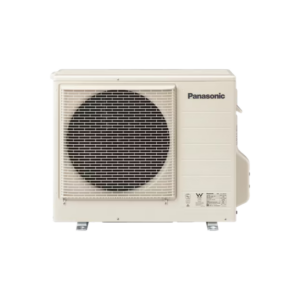
Panasonic Deluxe Series CO₂ Heat Pump Hot Water System
$4,954.90 Incl GST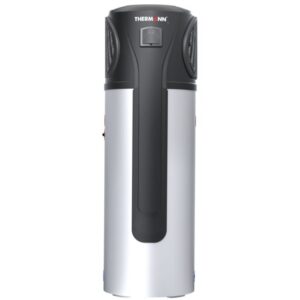
Thermann Heat Pump 270L 3.6kW R290
$6,036.41 Incl GST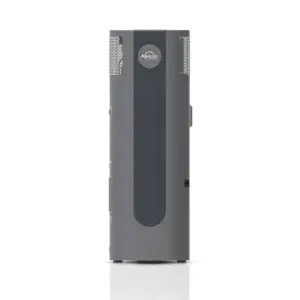
Apricus All-In-One Plus 260L Heat Pump
$4,832.07 Incl GST
Rheem® AmbiPower® 280e Heat Pump Water Heater – 280L
$5,367.89 Incl GST
Measure before you replace
Before you order a new cylinder, grab a tape measure and check:
- The height and width of the space, including any shelves or framing.
- The cupboard door or access opening, because the cylinder has to fit through it.
- The clearance above and around the cylinder for pipework, valves and the relief valve drain.
- Access to the element and thermostat cover, so it can be serviced down the track.
Every cylinder has to be strapped to the wall framing so it can’t move in an earthquake, and cylinders over 200L need an extra strap in the middle. A bigger or different-shaped cylinder might need new straps or fixings. We check all of this when we quote, so you won’t end up with a cylinder that doesn’t fit.
What about heat pumps and gas?
Heat pump cylinders follow similar household guides, but they reheat more slowly, so it usually pays to go a size up. See our hot water heat pump range. Gas continuous flow systems don’t have a tank at all and are sized by flow rate instead. See our continuous flow gas hot water page.
To compare prices across sizes and brands, check our price list, or read how much it costs to replace a hot water cylinder in NZ.
Not sure what size you need? We supply, replace and install hot water cylinders right around New Zealand, on a fixed price. Give us a call on 0800 234 800 or get an online quote.
FAQ
180L is the most common size in New Zealand homes and suits two to three people. 135L, 250L and 300L are also standard sizes.