
Best Hot Water Heat Pumps in NZ: Haier vs Gree vs Rinnai vs Rheem

Quick Links
TLDR: For most Kiwi homes, a Haier or Gree all-in-one heat pump gives you the most hot water for your money. Live somewhere properly cold? The Rinnai HydraHeat keeps running in full heat pump mode down to -10°C. Rheem’s AmbiPower suits anyone who wants a big-name brand with a strong backup element. And if your place gets regular frosts, a split system like the Panasonic CO₂ lets you keep the tank inside where it stays warmer. Here’s how they stack up on price, efficiency, cold weather and noise. Prices are supply only, incl. GST, as at October 2026.
Is a hot water heat pump worth it?
For most households, yes. A hot water heat pump pulls heat out of the air to warm your water, so it uses far less power than an ordinary electric cylinder. This table models the estimated annual cost for a standard 4-person household::
| System | Running cost per year |
|---|---|
| Hot water heat pump | $333 |
| Gas continuous flow | $1,071 |
| Electric hot water cylinder | $1,176 |
That’s a saving of around $843 a year. A heat pump costs more up front, around $8,600 supplied and installed against about $4,500 for an electric cylinder, so the extra pays for itself in roughly five years. Over ten years, EECA works out a heat pump is 27% cheaper than your standard electric hot water cylinder. Source: EECA, hot water heat pumps in the home.
How we compared them
We’ve compared the four brands our customers look at most: Haier, Gree, Rinnai and Rheem, on price, efficiency, cold-weather performance, noise and warranty.
A quick word on efficiency. Heat pumps are rated by their COP (coefficient of performance), which is how many units of heat you get for each unit of electricity. A COP of 4 means four times the heat of an electric element for the same power. Each manufacturer tests at different conditions, though, and a COP measured on a warm day looks much better than one measured on a cool one. So treat the figures as a guide, not a straight head-to-head. In real life, EECA says most heat pumps run at a COP of around 2 to 4.
Hot water heat pumps compared
| Haier | Gree WHIO | Rinnai HydraHeat | Rheem AmbiPower | |
|---|---|---|---|---|
| Sizes | 200L, 250L, 330L | 200L, 270L | 275L, 340L | 180L, 280L |
| Price (supply only) | $4,042–$4,802 | $4,217–$4,582 | $6,735–$7,279 | $4,257–$5,368 |
| Best price per litre | $14.51 (330L) | $16.97 (270L) | $19.81 (340L) | $19.17 (280L) |
| Rated COP | 4.00–4.49 (20°C air, 15°C water) | 5.41 (test conditions not stated) | 4.7 (19°C air, 19°C water) | 4.9–5.2 (19°C air) |
| Works down to | -7°C | -7°C | -10°C | -6°C (280L), -7°C (180L) |
| Noise | 43–47dB | 44dB | 45dB | Not published |
| Refrigerant | R290 | R290 | R290 | Not published |
| Warranty | 5 yrs parts & labour, 7 yrs cylinder | 7 yrs parts & labour | 5 yrs heat pump, 7 yrs cylinder | 1 yr parts & labour, 3 yrs sealed system, 7 yrs cylinder |
Note: specs come from each manufacturer’s published data. Price per litre is the supply price divided by tank size.
- Wetback Hot Water Cylinder
- Solar Hot Water Cylinder
- Mains Pressure Hot Water Cylinder
- Low Pressure Hot Water Cylinder
- Hot Water Heat Pump Cylinders
- Hot Water Cylinder Parts
- Gas Continuous Flow Water Heater
- All Pressure Cylinders
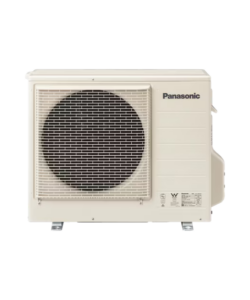
Panasonic Deluxe Series CO₂ Heat Pump Hot Water System
$4,954.90 Incl GST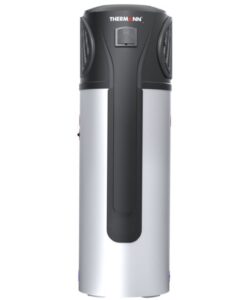
Thermann Heat Pump 270L 3.6kW R290
$6,036.41 Incl GST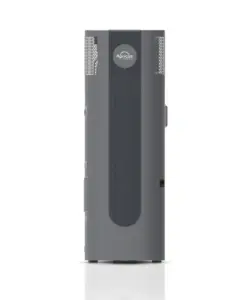
Apricus All-In-One Plus 260L Heat Pump
$4,832.07 Incl GST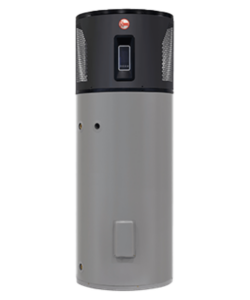
Rheem® AmbiPower® 280e Heat Pump Water Heater – 280L
$5,367.89 Incl GST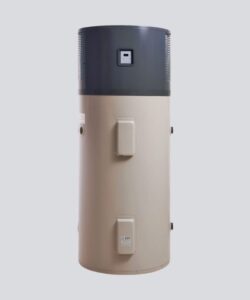
Rinnai HydraHeat® Integrated Hot Water Heat Pump – 275L
$7,279.08 Incl GST
Haier: the best value per litre
Haier is the heat pump our customers look at more than any other, and it’s easy to see why. The 330L works out at about $14.51 a litre, the cheapest of the lot, and the 200L ($4,042) is the cheapest way into a heat pump we sell. All three sizes use R290 refrigerant, run down to -7°C and have Wi-Fi built in, so you can check them from the SmartHQ app.
Good for: Wide capacity range with 200L, 250L, and 330L models designed to suit households of many size’s. These systems come equipped with native Solar PV optimization modes and SmartHQ™ controls that seamlessly integrate with solar arrays, Tesla Powerwall batteries, and home energy management systems (HEMS).
Gree WHIO: the longest warranty
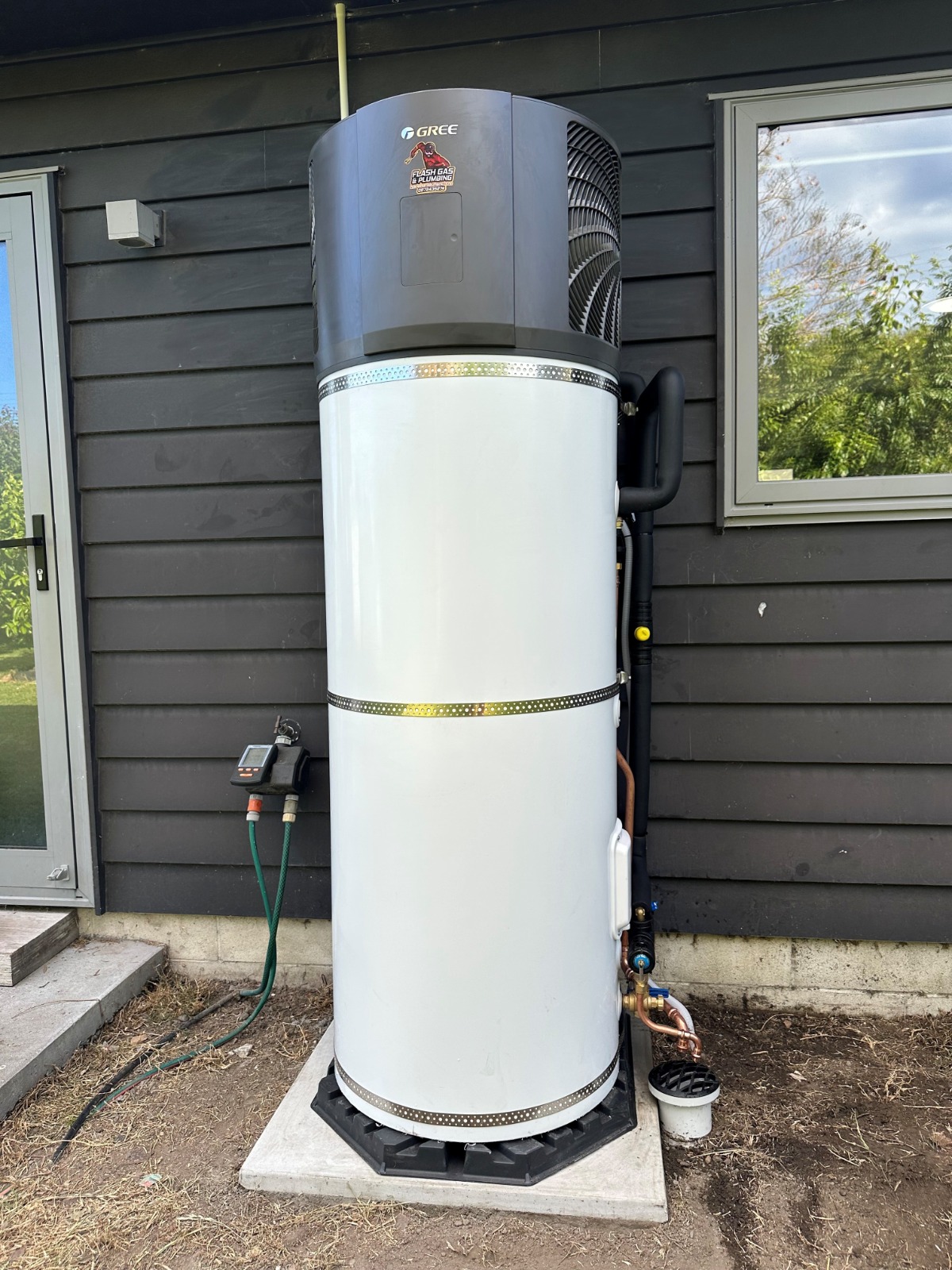
The Gree WHIO has the highest rated COP here at 5.41, though Gree doesn’t say what conditions it was tested at, so take it as a guide. What really stands out is the warranty: 7 years parts and labour, the longest of the four. It’s quiet at 44dB, uses R290 refrigerant and runs down to -7°C. It comes in 200L ($4,217) and 270L ($4,582).
Good for: peace of mind from a long warranty at a mid-range price. Also has the wifi compatiability.
Rinnai HydraHeat: built for colder parts of the country
The HydraHeat’s head unit is designed and built in New Zealand, and it keeps running in full heat pump mode down to -10°C without needing the electric element to help. That makes it a strong pick for Central Otago, Southland, the central North Island and anywhere else that gets hard frosts. Rinnai rates it at a COP of 4.7, tested to AS/NZS 5125 at 19°C air and 19°C water.
It’s modular too. You can install the cylinder first and add the heat pump head unit later, and the head unit comes off for servicing without cutting your hot water. It also runs a weekly cycle that heats the tank above 60°C to deal with Legionella. Available in 275L ($7,279) and 340L ($6,735).
Good for: colder regions, and anyone who wants a Kiwi-designed unit.
Rheem AmbiPower: a trusted name with plenty of backup
Rheem has been making hot water cylinders for Kiwi homes for a long time, and the AmbiPower range brings that name to heat pumps. The 280e is rated at a COP of 5.2 and the 180L at 4.9, both at 19°C air. Both have a 2.4kW backup element, the biggest of the four brands here, which helps the tank recover quickly on busy mornings. Rheem rates the 280e ($5,368) for up to 6 people and the 180L ($4,257) for up to 4. There’s also the AmbiHeat HDc-270 ($6,496).
Good for: households who want a well-known brand and fast recovery.
Split or all-in-one: which do you need?
All four brands above are all-in-one units, with the heat pump sitting on top of the tank. They go outside, they’re simple to install, and they suit most homes.
A split system separates the two. The heat pump sits outside and the tank can go outside as well or inside. That’s a big plus in cold climates. A tank sitting outside through a Southland winter loses more heat and costs more to keep hot, while a tank indoors stays warmer and holds its heat.
The Panasonic Deluxe Series CO₂ is the split system we recommend in those situations. It runs down to -10°C, it’s the quietest unit we sell at 37dB, and it uses natural CO₂ refrigerant. Panasonic rates it at a COP of up to 6.1, though that was measured on a warm 32.5°C day, so expect less in winter. The $4,955 price is for the outdoor heat pump unit, which pairs with a separate mains pressure cylinder that we’ll match to your household when we quote.
A split system usually costs more to install, because there’s pipework to run between the outdoor unit and the tank. It’s the right call when:
- you live somewhere with regular hard frosts
- you’d like to keep the tank inside, or reuse an indoor hot water cupboard
- the outdoor unit has to sit near a bedroom or a neighbour’s window, so quiet matters
Also worth a look
Apricus All-In-One Plus 260L ($4,832). Apricus has been in the New Zealand heat pump and solar hot water market for years. This one’s rated at a COP of 4.13, runs down to -7°C, is quiet at 43dB, comes with a 6-year parts and labour warranty and suits up to 6 people.
Thermann 270L ($4,727–$6,036). Thermann’s 270L heat pumps use R290 refrigerant and run down to -5°C. The 3.6kW model is rated at a COP of up to 4.7.
Which heat pump is right for you?
| If you want… | Look at |
|---|---|
| The most hot water for your money | Haier 330L |
| The cheapest way into a heat pump | Haier 200L |
| The longest warranty | Gree WHIO |
| Reliable heat in a cold climate | Rinnai HydraHeat, or the Panasonic CO₂ split with an indoor tank |
| The quietest unit | Panasonic CO₂ split (37dB) |
| A big-name brand with fast recovery | Rheem AmbiPower |
Getting the size right: heat pumps reheat more slowly than an electric element, so it usually pays to go a size up from the electric cylinder you’d normally choose. Our guide to hot water cylinder sizes shows which size suits your household.
Not sure which heat pump suits your place? We supply and install hot water heat pumps right around New Zealand, on a fixed price. Give us a call on 0800 234 800 or get an online quote.
FAQ
What Is The Best Hot Water Heat Pump In NZ?
It depends on your home. Haier gives the best value per litre, Gree has the longest warranty, the Rinnai HydraHeat copes best with cold weather, and Rheem’s AmbiPower has the biggest backup element. In frosty areas, a split system like the Panasonic CO₂ with an indoor tank is worth considering.
Are Hot Water Heat Pumps Worth It In NZ?
For most households, yes. The extra upfront cost typically pays for itself in around five years.
Do Hot Water Heat Pumps Work In Cold Weather?
Yes, but they’re less efficient when it’s cold. Most of the units we sell run down to between -5°C and -7°C, and the Rinnai HydraHeat and Panasonic CO₂ split run down to -10°C. All-in-one units also have a backup electric element for the coldest days.
What’s The Difference Between A Split And An All-In-One Heat Pump?
An all-in-one has the heat pump built onto the tank, and the whole unit sits outside. A split system has the heat pump outside and a separate tank that can go inside, which keeps the stored water warmer in cold climates.
How Noisy Is A Hot Water Heat Pump?
The units we sell are rated between 37dB and 47dB, about as loud as a quiet library or a fridge humming. The Panasonic CO₂ split is the quietest at 37dB.
What Size Hot Water Heat Pump Do I Need?
Go a size up from the electric cylinder you’d normally choose, because heat pumps reheat more slowly. A 250L electric household is usually best served by a heat pump of around 270–330L.